How Do I Know Which Track Brake Pads Fit My Car?
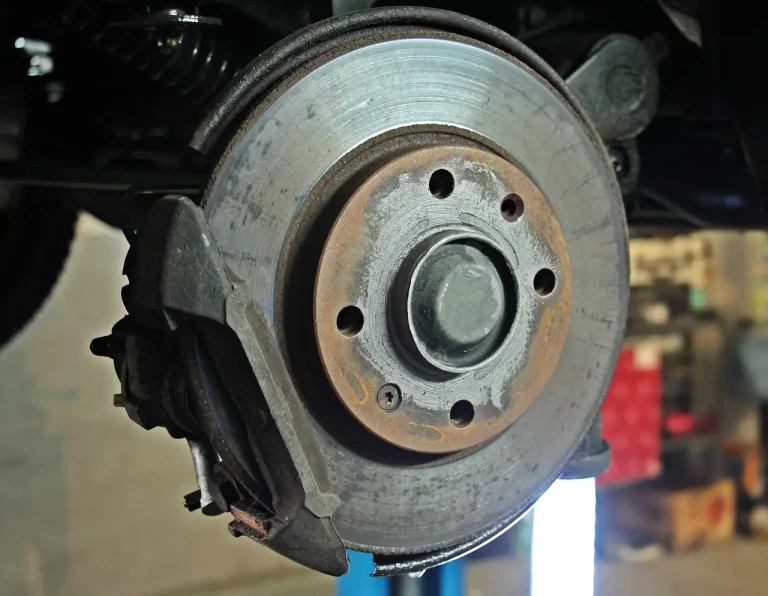
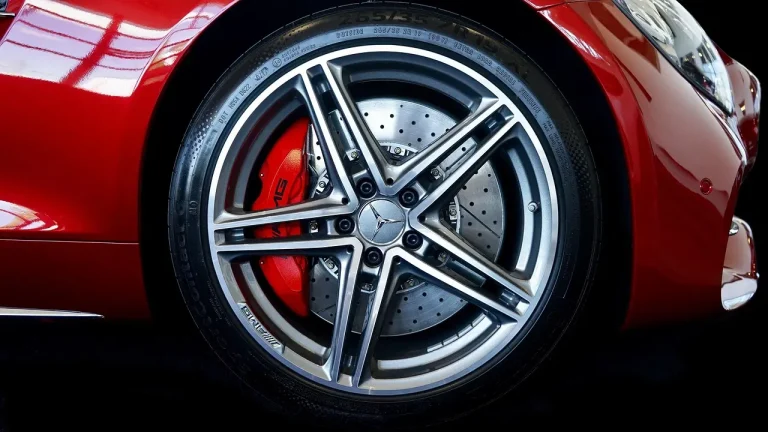
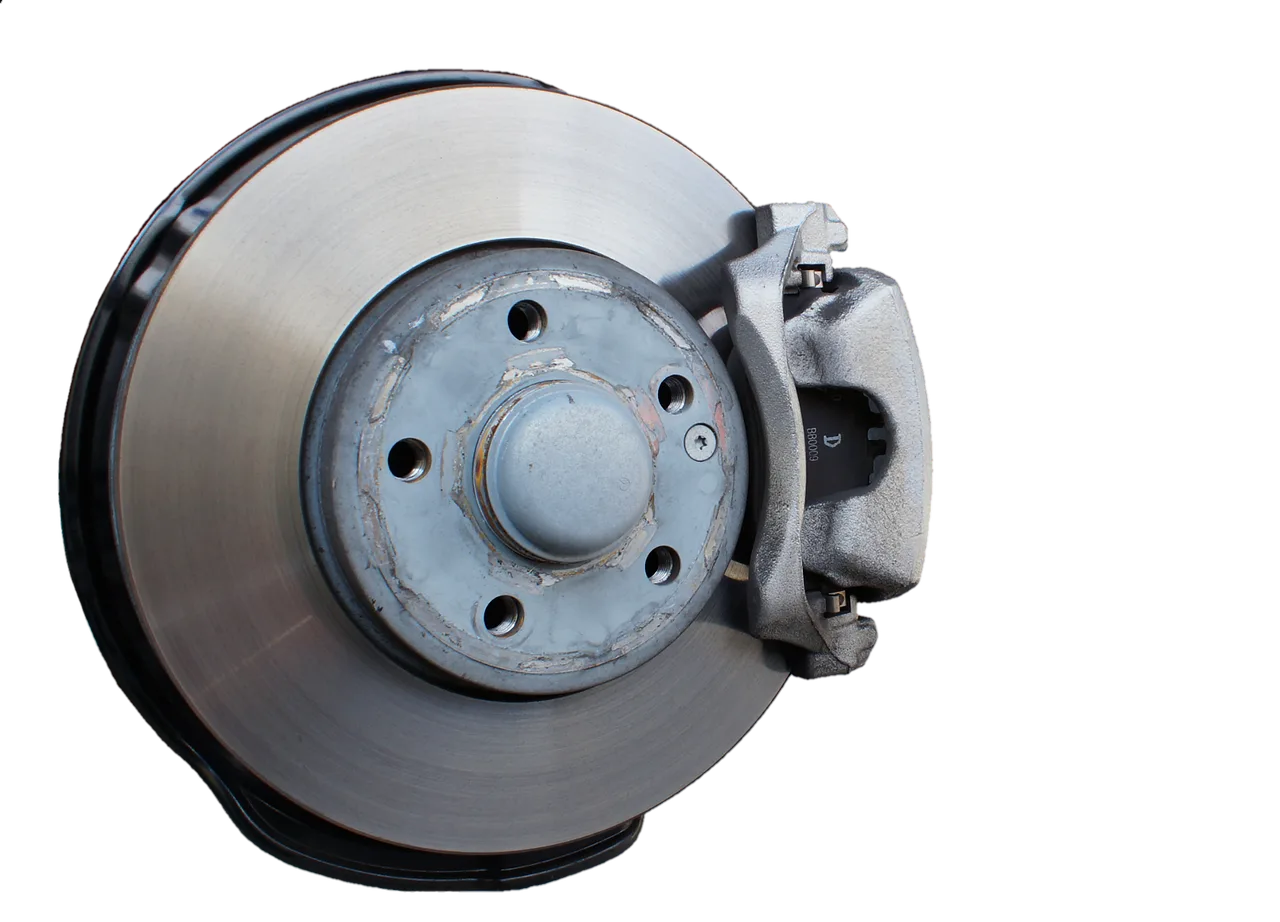
Match the caliper’s pad shape code and rotor size first. If the pad profile does not match your caliper, it will not fit, even if the car model does. A wrong match can mean poor braking, noise, or pads that cannot survive track heat. This guide shows how to verify pad fitment by car, caliper, and compound so you buy the right track pad the first time.
What counts as a correct fit?
Start with year, make, model, and trim
Fitment commonly depends on year, make, model, and trim. The same nameplate can use different front and rear pads, different calipers, or different rotor sizes across trims and brake packages. If the catalog lets you filter by VIN, that is often the safest starting point.
Do not rely on a platform nickname, a common option package, or a broad model family. Use the year-make-model-trim filter in the brake pad catalog, then verify the part image or shape code against the caliper.
Why front and rear pads can differ
Front and rear axle fitment can differ on the same vehicle. Front pads often carry the higher share of braking load, but the rear axle may use a different backing plate, a different wear sensor setup, or a different caliper family. A front-only match does not prove the rear pads are correct.
That split matters even more after brake upgrades. A car with upgraded front brakes can keep the stock rear axle, and that leaves you with two different pad searches.
Physical fit and heat fit are different checks
A pad can fit the caliper and still be wrong for the job. Physical fit means the shape, backing plate, hardware, and rotor dimensions line up. Track-day suitability means the compound can handle the heat load, the car’s speed, and the amount of repeated braking you expect.
Track compounds are tools, not upgrades. A pad that works well at high temperature may feel poor when cold, squeal on the street, or dust more than a street compound.
How to verify the exact pad shape
The safest path is to verify the OEM brake pad part number first, then cross-reference that number in an aftermarket catalog. From there, check the caliper type and the rotor size before you order. This order keeps you from buying a pad that matches the car name but not the hardware.
Use the OEM part number first
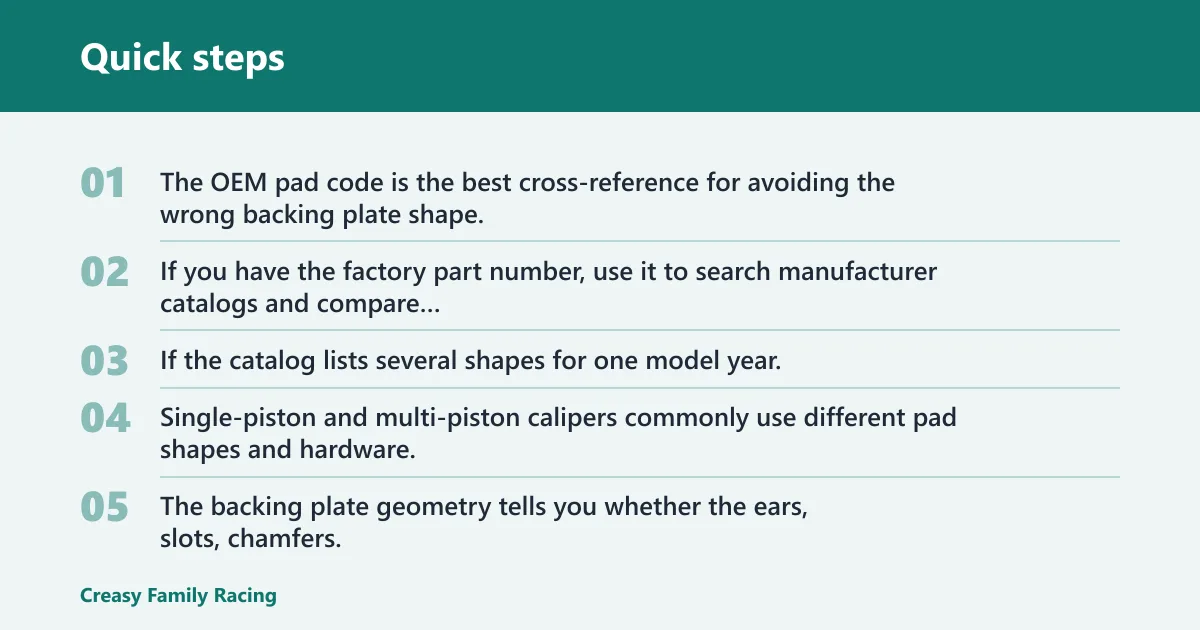
The OEM pad code is the best cross-reference for avoiding the wrong backing plate shape. If you have the factory part number, use it to search manufacturer catalogs and compare the shape drawing, clip style, and wear-sensor provision. If the catalog lists several shapes for one model year, trust the code and the caliper image, not the nickname.
Check the caliper type and backing plate geometry
Single-piston and multi-piston calipers commonly use different pad shapes and hardware. The backing plate geometry tells you whether the ears, slots, chamfers, and retaining hardware line up with the caliper bridge and pad abutments. A pad that is “close” will not always sit squarely or retract cleanly.
If the car has been upgraded with a different caliper family, stop there and verify fitment from the caliper, not the original vehicle listing.
Confirm rotor diameter, thickness, and minimum thickness
Rotor diameter and rotor thickness should match the pad application and the rotor’s minimum thickness limits. The pad has to sweep the rotor correctly, and the caliper has to have enough clearance for the rotor’s actual size. If the rotor is worn at or near minimum thickness, that can change how the pad sits and how the caliper piston position behaves.
Rotor condition matters for bed-in as well. A warped, heavily grooved, or near-limit rotor can ruin a new pad face before the friction layer forms.
Brake pad fitment checklist
Use this checklist before you click order. It separates exact fitment from compound choice, because those are different decisions.
| Vehicle year/make/model/trim | Front or rear axle | Caliper type | Rotor diameter/thickness | OEM pad code | Aftermarket cross-reference | Final order / not order |
|---|---|---|---|---|---|---|
| 2019 Subaru WRX Premium | Front | Single-piston floating caliper | 326 mm / 30 mm | 26296VA000 | Aftermarket catalog lists the same front shape code with sensor provision | Order |
| 2019 Subaru WRX Premium | Rear | Single-piston floating caliper | 286 mm / 10 mm | 26696VA000 | Aftermarket catalog lists a different rear shape code | Order |
| 2022 Ford Mustang GT Performance Pack | Front | Multi-piston fixed caliper | 380 mm / 34 mm | FR3Z-2001-A | Catalog cross-reference matches performance-pack front pad profile | Order |
| 2022 Ford Mustang GT base | Front | Single-piston floating caliper | 352 mm / 32 mm | BR3Z-2001-A | Catalog shows a different front shape than the Performance Pack car | Do not order |
The table is a model for the checks, not a universal parts list. Your car needs its own year-make-model-trim lookup, and the OEM code should be verified against the catalog image or shape code before purchase.
- Enter the exact year, make, model, and trim in the manufacturer catalog.
- Separate front axle from rear axle.
- Match the OEM pad code to the catalog cross-reference.
- Confirm caliper family, backing plate shape, and hardware.
- Check rotor diameter, rotor thickness, and minimum thickness.
- Only then choose the compound for street, track, or mixed use.
Which compound should you choose?
Choose compound only after the shape is confirmed. Ceramic, semi-metallic, track, and race compounds all change cold bite, dust, noise, working temperature, and heat ceiling. For a street car that sees occasional track days, the right pad is usually the one that survives the heat you will actually create, not the one with the highest racing number.
Street compounds: ceramic and semi-metallic
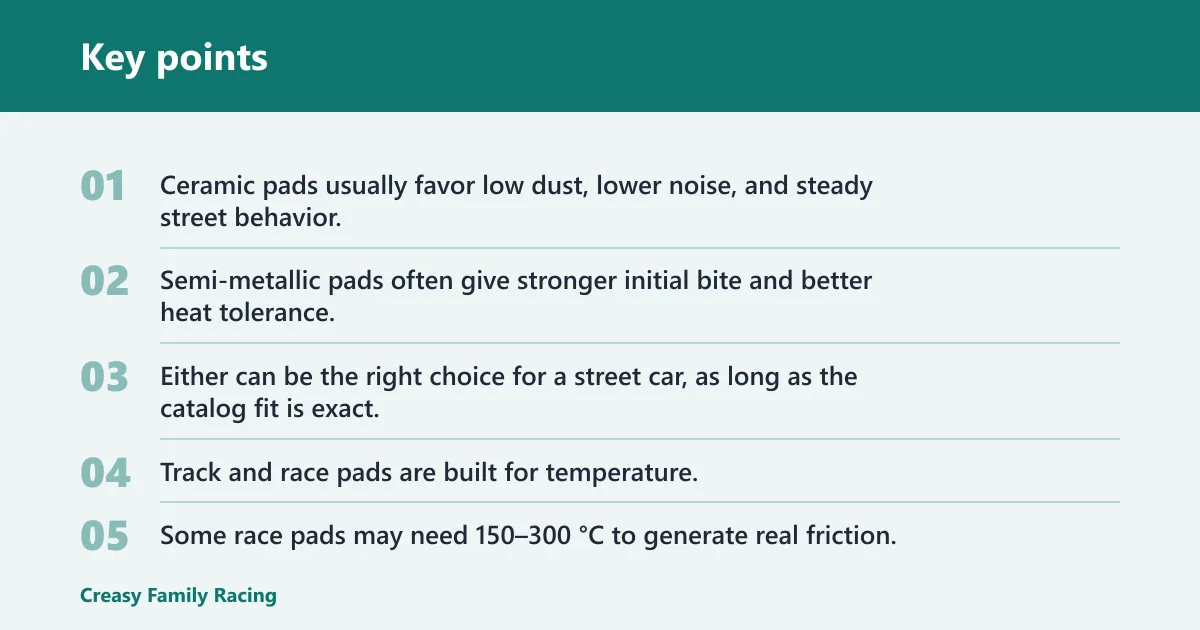
Ceramic pads usually favor low dust, lower noise, and steady street behavior. Semi-metallic pads often give stronger initial bite and better heat tolerance, but they can dust more and make more noise. Either can be the right choice for a street car, as long as the catalog fit is exact.
Track and race compounds
Track and race pads are built for temperature. Some race pads may need 150–300 °C to generate real friction, so they can feel weak when cold. That makes them a poor choice for daily street use unless you accept noise, dust, and a long warm-up window.
The right question is not “which compound is best?” It is “what temperature range will the car see most often?” For a dual-use car, that usually means a street pad for normal driving or a two-set strategy for track weekends.
Street-plus-track trade-offs
A common first-timer mistake is buying a race pad for a street car because the track days feel exciting. If a 2021 hot hatch runs a race pad on a cold morning commute, the first few stops may feel vague until the pad warms. That is the wrong behavior for a car that still sees school runs and traffic.
The reverse mistake happens too. A soft street pad may feel fine on the road, then fade early in a long braking zone. Match the compound to the 95% use case, then confirm whether you need a second track set.
What else must match before you buy?
The catalog lookup is only part of the check. You also need to verify whether a brake upgrade changed the caliper family, whether the pad shape changed with an option package, and whether the rotors are still within usable thickness. That is the difference between a pad that fits and a pad that works properly.
Use the manufacturer catalog, not the nickname
Manufacturer catalogs should be checked by year-make-model-trim, not by vehicle nickname or broad platform name. A platform may span several caliper families, rotor diameters, and rear-axle designs. If the catalog offers a part-by-part image comparison, use it.
Brake upgrades can change the pad family
Aftermarket big brake kits, factory performance brakes, and caliper swaps can all change pad fitment. Even when the car badge stays the same, the pad shape can move to a different code and a different hardware set. In that case, the original OEM pad number is no longer the only valid cross-reference.
Rotor condition can make a good pad a bad purchase
New pads should be matched to rotor condition and thickness. If the rotor is below minimum thickness, deeply scored, or heavily heat-spotted, replace or machine it only if the remaining thickness still stays above the limit. A worn rotor can keep the pad from bedding cleanly and can shorten pad life.
Before track use
Before hard use, new pads need bed-in. A dozen controlled medium-to-hard stops helps transfer a friction film to the rotor so the pad and disc work together consistently. That step matters even when the pad shape is correct.
Bed-in and friction film transfer
Follow the pad maker’s bed-in instructions if they differ, but the core idea is controlled heat, not panic stops. Use repeated medium-to-hard stops, allow the brakes to cool in moving air, and avoid sitting still with the pedal clamped while the pads are hot. That helps prevent uneven transfer deposits.
Fluid condition matters too
Fresh brake fluid and bleeding come with track-pad upgrades. High-temperature fluid matters because pedal fade can appear even when the pads themselves are still within their heat range. If the pedal gets long and soft after repeated stops, the issue may be fluid boil rather than pad fade.
A simple rule: if the pedal changes before the pads lose friction, the fluid is part of the problem. If the pedal stays firm but stopping power drops after repeated hot laps, the pad compound may be outside its useful range.
Track use also changes the maintenance plan. Swapping pads at the track can take 30–45 minutes an axle, so a two-set strategy is often the cleaner answer for mixed-use cars. Street pads stay on the car for normal driving; track pads go on for the event and come off afterward.
Common wrong-fit scenarios
These are the failures that usually appear before the box is opened. Spotting them early saves time and avoids a return label.
Wrong axle order
You ordered front pads when the rear axle uses a different shape. The clues are a catalog listing that separates front and rear codes, a different rotor diameter, or a different wear sensor layout. If the axle is not named on the order, stop and verify it.
Wrong caliper variant
The vehicle has a single-piston base caliper in one trim and a multi-piston performance caliper in another. The clue is a pad shape picture that does not match the bridge, clips, or piston face layout on the car. The fix is to match the caliper family, not the model badge.
Mismatch after brake upgrades
You have upgraded rotors or a big brake kit, but the catalog search still points to the original OEM pad number. That is a red flag. Say your car wears a caliper swap and larger rotors; the original pad may be close in length but wrong in height, thickness, or clip position.
Frequently asked questions
What brake pads fit my car?
The pads that fit your car are the ones that match the exact year, make, model, trim, axle, caliper family, and rotor size. Start with the OEM pad code or VIN-based catalog lookup, then confirm the shape image and hardware details before you order.
Which brake pads for my car?
First decide which pad fits physically, then decide which compound fits your use. A street car may need ceramic or semi-metallic pads, while a track-day car may need a higher-temperature pad or a second set. Fitment comes before compound choice.
How do I know which brake pads fit my car?
Confirm the exact year, make, model, and trim, then separate front from rear. Match the OEM pad code to the catalog, verify the caliper shape, and check rotor diameter and thickness. If any one of those does not line up, do not order yet.