How Do Brake Cooling Ducts Work on a Track Car?
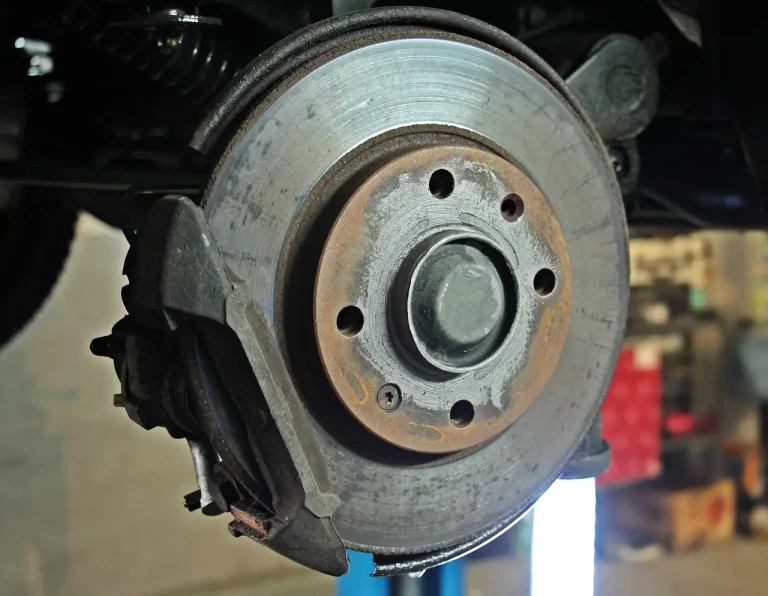
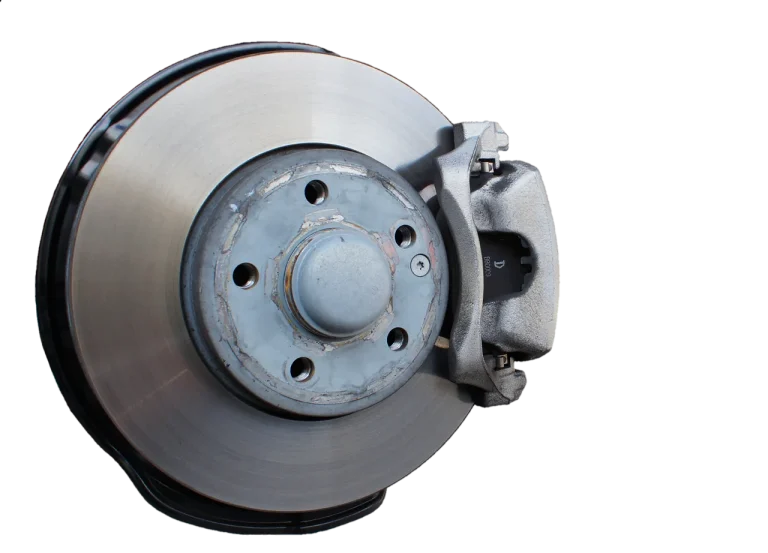
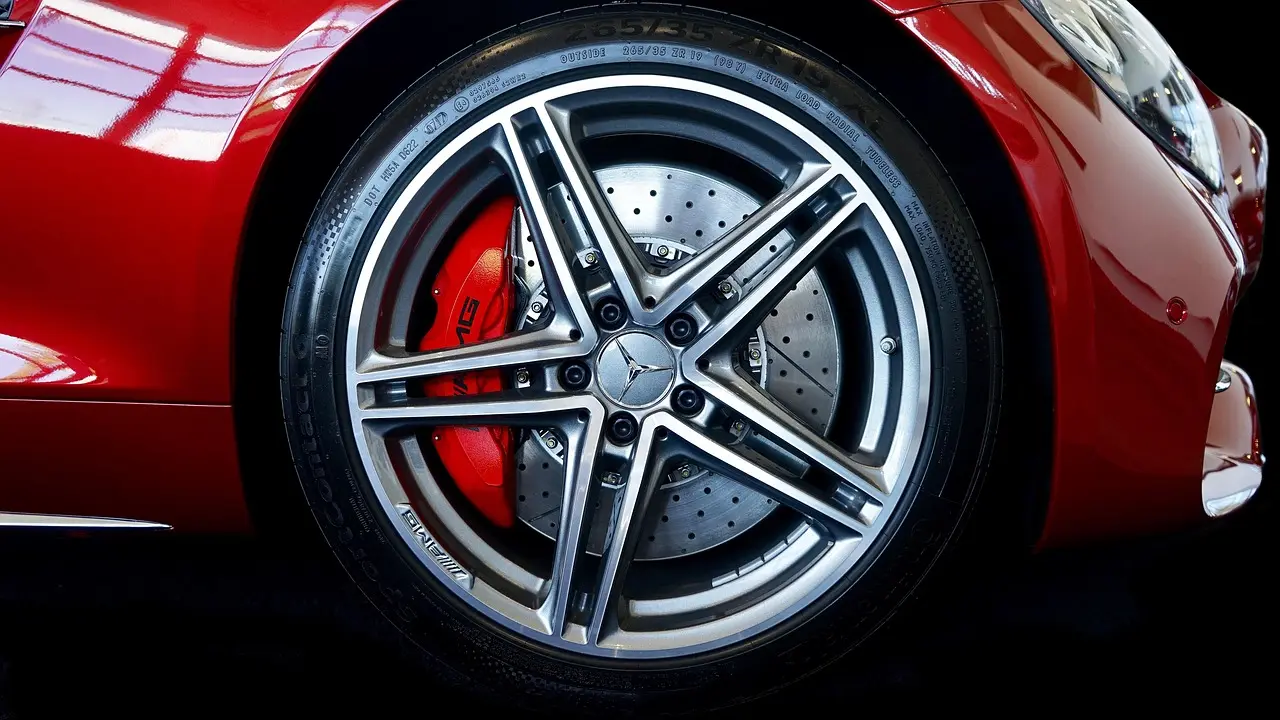
Brake cooling ducts send airflow to the rotor hat and rotor vanes. That lowers rotor temperature more evenly and helps delay brake fade, especially when repeated hard stops push the brakes past their comfort zone. Brembo and AP Racing both emphasize that rotor cooling works best when air is directed into the disc’s internal flow path, not just at the face. If the setup is wrong, the result can be uneven temperatures, cracked rotors, or fade that never goes away. This guide explains what they cool, how to judge need, and how to avoid airflow setups that do more harm than good.
How do brake ducts move air?
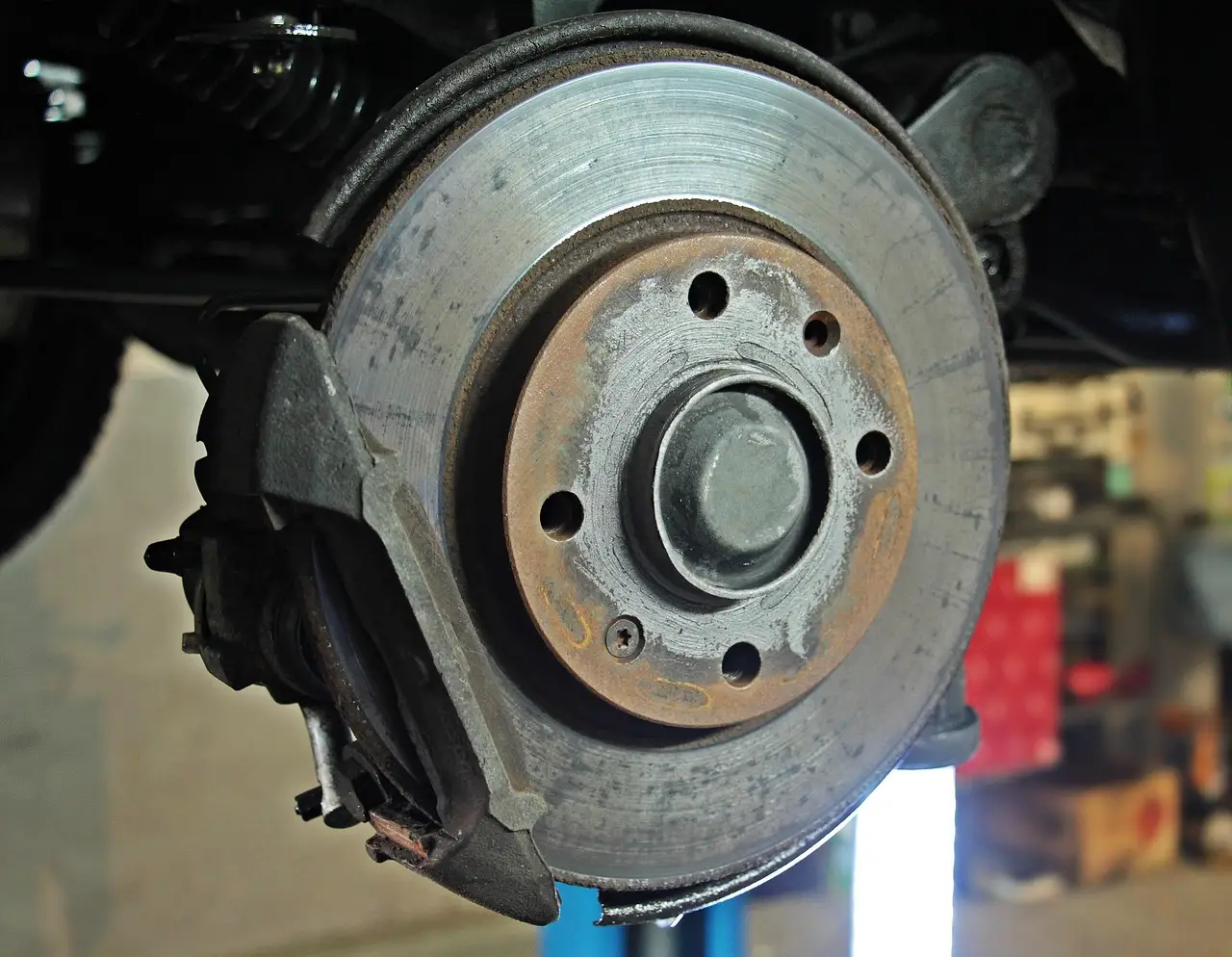
Brake cooling ducts route outside air from a bumper opening, splitter opening, or fog-light opening through a hose to the brake assembly. The goal is controlled airflow. On a track car, the most effective target is usually the rotor hat and vane entry area so air can move through the disc instead of striking one small spot.
From bumper opening to rotor
The path is simple in concept. Air enters at the front of the car, travels through a duct hose, and exits near the rotor where the spinning disc can pull it into the vane passages. That moving air carries heat away from the brake package, especially during repeated stops when the rotor soaks up heat quickly.
That path matters because the rotor does more than sit there and get warm. The friction face, inner hat, and internal vanes heat at different rates. If the duct aims at the wrong area, the air may cool one section hard while leaving the rest of the disc much hotter. That unevenness is a common setup mistake in motorsport brake engineering guidance.
Rotor face versus vane entry
A rotor’s friction face handles the pad contact. Its vanes move air internally. A duct that feeds the vane entry area helps the disc shed heat across its structure, while a duct aimed at the outer edge or one corner can create a hot-cold patchwork. That is the failure mode to avoid, and it is why brake suppliers such as StopTech, GiroDisc, and DBA repeatedly focus on vane-directed airflow.
Why does even cooling matter more than maximum cooling?
Temperature gradients are often more important than average temperature for cracking. A rotor can be hot and still survive if it heats and cools evenly. A rotor with one aggressive hot spot and a much cooler neighboring area is under more stress, and that stress is what opens cracks around the vanes or across the face.
Hot spots versus average temperature
Track braking can raise brake temperature very quickly. Brembo technical guidance and motorsport brake suppliers routinely note that hard stops can drive very high rotor temperatures in only a few seconds, and race-capable iron discs can see roughly 700°C to 750°C, or about 1300°F to 1380°F, in severe use. That makes even cooling the goal. Lowering a single hotspot while leaving the rest of the disc wildly different is not a win.
Can brake cooling ducts make brakes crack or overcool? Yes, if the airflow is aimed poorly or if the track use is too light for the added cooling. A duct can create a cold stripe next to a much hotter section, which is exactly the kind of temperature spread that invites cracking. Overcooling is less common than uneven cooling, but both are possible, especially on shorter or lower-speed sessions.
What bad duct aim can do
Suppose a duct points straight at one outer quadrant of the rotor face on a short, low-speed course. The pad sweeps one cold patch every revolution while the rest of the disc stays much hotter. That is the opposite of controlled airflow. The rotor sees uneven expansion, and the braking package may become less stable instead of more stable. This is one reason many race-brake suppliers warn against a narrow jet aimed at a single quadrant.
What actually overheats first in a braking system?
Do brake ducts cool the rotor or the caliper? Mainly the rotor and the surrounding brake package. The caliper gets some indirect cooling from the moving air, but ducts are not a direct caliper-cooling fix. In practice, you need to watch pads, fluid, calipers, and seals together, because each part fails in a different way.
Pads and fade
Brake pad fade can happen even with good racing pads. Heat changes the pad’s friction behavior, and the pedal may feel normal while the car stops less effectively. In hard track use, pad compounds can leave their effective temperature range after repeated heavy stops, which is why pad makers and motorsport suppliers usually treat fade as a heat-management problem, not just a friction-material problem.
Fluid boil and soft pedal
Brake fluid can also be the weak link. High dry-boiling-point fluid can still boil on track if caliper temperatures climb far enough. When that happens, the pedal often goes soft or long because vapor compresses. Fresh fluid helps, but it does not guarantee immunity from track heat. For a deeper breakdown, see track brake fluid.
Caliper seals and piston heat
Calipers and pistons have a safe temperature window too. Seal heat can cause loss of elasticity, leakage, or a sticky piston over time. Ducts that reduce rotor and pad heat can help the whole corner stay healthier, but only if the airflow reaches the parts that actually need it.
Secondary heat to nearby parts
Radiated brake heat can also reach nearby suspension ball joints and related hardware. This is a secondary risk, but it matters on track cars with heavy brake energy and tight packaging. If the brake package is running extremely hot, the surrounding corner may be taking more heat than the rotor alone suggests. See also suspension ball joint heat inspection.
Do brake ducts make sense for your car?
How do you know if your car actually needs brake cooling? Start with the symptom, then trace the cause. Ducts are a priority when brake trouble shows up after repeated hard stops and the rest of the system already has good pads and fresh fluid. If the problem is simply worn consumables or poor maintenance, ducts are not the first fix.
Track layout and brake load
Track layout changes brake demand a lot. Long straights that end in heavy braking zones are hard on the system because the car arrives at high speed and must lose a large amount of energy in one stop. A meandering track with shorter braking events is usually less punishing, even if lap times are still quick.
Symptoms that point to duct priority
What brake problems usually mean ducts may be needed? Repeated pad fade after a few laps, fluid boil despite fresh fluid, fast pad wear from heat, rotor cracking that appears after heavy sessions, and caliper seal distress can all point toward thermal overload. The key is pattern, not a single hot lap.
Picture a car on a circuit with a long back straight into a 125-mph braking zone. If the pads feel fine for one session but the pedal softens in the second, that is a stronger duct clue than a one-off noisy stop in the paddock. The track is loading the brakes in a repeatable way.
When are pads and fluid enough?
Can brake cooling help if you already run track pads and fluid? Yes, but not always. If the car only sees shorter sessions, moderate speeds, and no repeat fade, pads and fluid may be enough. Ducts are most useful when the track evidence says the package is still heat-limited after the basic consumables are sorted. For related brake setup guidance, see track pad selection.
What evidence should you compare before adding ducts?
The best decision comes from observable symptoms, not guesswork. Compare pedal behavior, pad wear, crack location, rotor color, and the track-speed profile. If the evidence points to heat overload after the brake system is already healthy, ducts rise on the priority list. If not, service items may be the real fix.
Decision matrix for brake problems
Use the symptom to identify the likely cause, then collect evidence before adding ducts. The goal is to see whether the car needs better airflow management or a different fix first. Rotor color, crack direction, and lap profile often separate cooling problems from pad or fluid problems quickly.
| Symptom | Likely cause | Evidence to collect | Whether ducts are a priority |
|---|---|---|---|
| Pad fade | Pad compound is too hot, or the pads are being overheated by repeated stops | Session length, fade onset lap, pad thickness before and after, pedal feel under repeat braking | High if fade appears after the brakes are otherwise maintained |
| Fluid boil | Caliper and fluid temperature exceed the fluid’s real track limit | Pedal goes soft after hard braking, fluid age, bleed condition, whether the issue repeats after cooldown | High if fresh high-temp fluid still boils |
| Rapid pad wear | Excess heat, abrasive rotor condition, or a pad compound running outside its range | Pad wear per session, rotor surface condition, brake temperatures if measured | Medium to high if wear is heat-driven |
| Disc cracking | Large temperature gradients, not only high average temperature | Crack location, crack pattern near vanes or slots, cooling aim, post-session rotor inspection | High if cracking lines up with hot-spot patterns |
| Seal damage | Caliper heat soaking the seals and pistons | Leakage, dust seal condition, piston movement, discoloration around calipers | High if caliper heat is obvious and repeated |
| Track-layout severity | Long straights into hard braking zones overwhelm the brake package | Lap map, braking points, speed trace, number of heavy stops per lap | High on stop-and-go layouts, lower on flowing tracks |
How should brake duct airflow be designed?
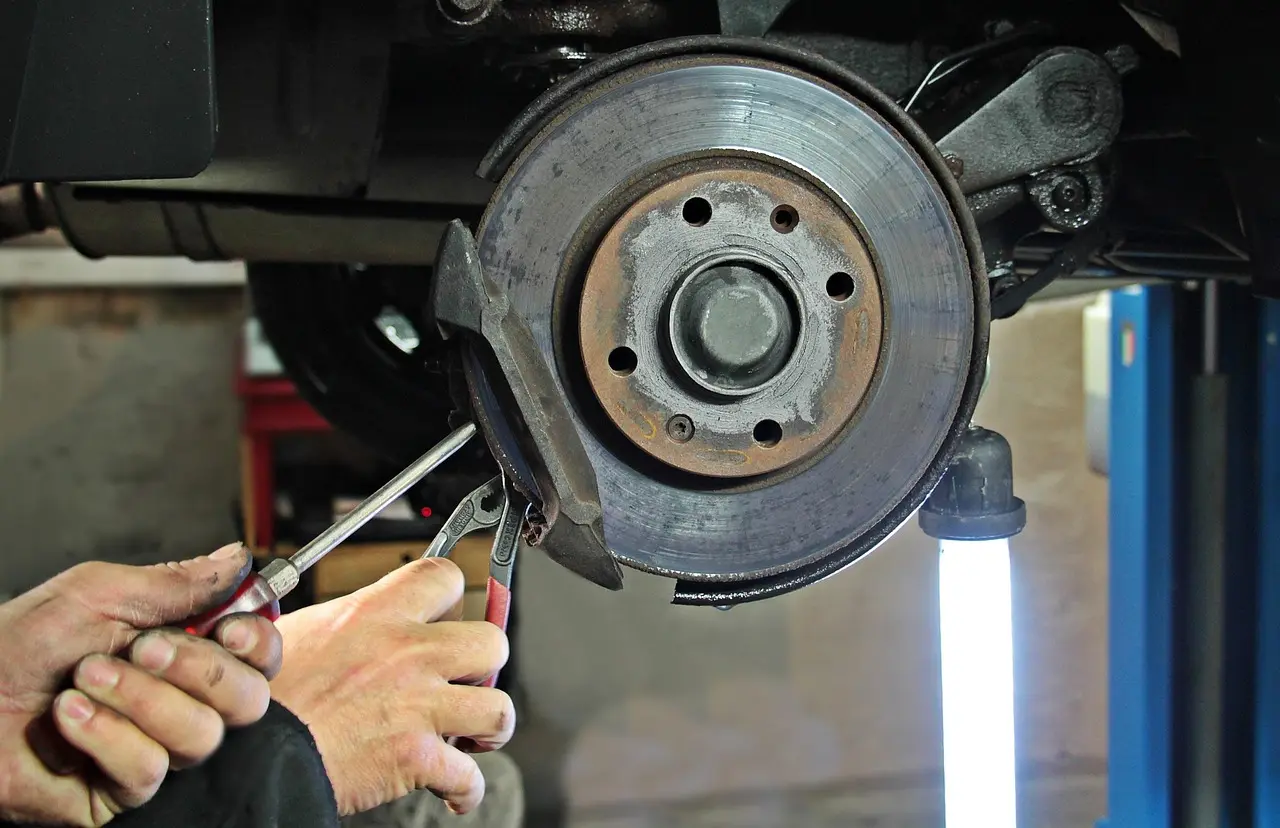
Brake duct air should be distributed over the rotor hat, vane entry, and enough of the disc face to keep temperatures even. The aim is controlled cooling across the brake package, not a concentrated blast at one small area that leaves the rest of the rotor hot. This is why vane-entry cooling is usually preferred in motorsport brake engineering guidance.
Respect hose routing and steering lock
How should the hose be routed? It needs clearance through full steering lock and full suspension travel. A hose that rubs a tire, knuckle, upright, tie rod, or wheel barrel can fail quickly. Keep routing short enough to avoid heat exposure and flex fatigue, but not so tight that the suspension movement pinches or kinks it.
Preserve airflow through suspension movement
The duct must still work when the wheel turns, the car brakes hard, and the suspension compresses. A good setup leaves a smooth path that does not collapse under movement. If airflow disappears at full lock or during dive, the track result will be inconsistent, which makes diagnosis harder and cooling less effective.
Inlet size tradeoffs
What is the downside of a larger inlet? Bigger openings can improve supply air, but they can also create drag, packaging problems, and uneven distribution if the hose and outlet are undersized. Smaller inlets are easier to package but may starve the rotor at speed. The correct size depends on the brake load, available front-end airflow, and hose geometry.
Why the outlet should not aim at one rotor quadrant
Aiming at one outer quadrant is harmful because it creates a local cold spot and a larger hot region elsewhere. That mismatch promotes thermal stress, pad imprinting, and crack initiation. The better approach is to feed the rotor hat or vane entry so the disc’s own rotation spreads the air through the vanes and around the face.
Backing-plate distribution matters
How should the air be spread at the rotor? A well-designed backing plate or duct end should distribute air broadly enough that the rotor can ingest it evenly. Race suppliers often use shaped scoops or plates to guide flow toward the internal vanes instead of dumping it onto one edge. That distribution is what helps even cooling.
Frequently asked questions
How do brake cooling ducts work on a track car?
They route outside air from a front opening through a hose to the brake area. The best setups feed the rotor hat and vane entry so air moves through the disc and lowers temperature more evenly. That helps delay fade without creating a harsh cold spot.
Do brake ducts cool the rotor or the caliper?
Mainly the rotor and the surrounding brake package. The caliper gets indirect cooling, but ducts are not a dedicated caliper-cooling system. If the caliper is overheating, the duct aim and the broader brake load both need attention.
Where should brake cooling ducts aim on the rotor?
They should aim at the rotor hat and the vane entry area, not at one isolated patch of the face. That target helps the disc pull air through its internal passages and spread cooling more evenly across the whole rotor.
Can brake cooling ducts make brakes crack or overcool?
Yes, if the airflow is poorly aimed or the car does not need that much cooling. Uneven cooling can create dangerous temperature gradients, and those gradients matter more than a simple high average temperature when cracks appear. Overcooling is also possible on lighter-duty track use. For more on the failure side, see rotor cracking causes.
How do you know if your car actually needs brake cooling?
Look for repeatable pad fade, fluid boil, rapid pad wear, rotor cracking, or caliper heat damage after hard sessions. Then compare that with the track layout. If the car only struggles on long-straight, heavy-braking tracks and the basic brake parts are already good, ducts move up the list. For help separating symptoms, see brake fade diagnosis.
What should brake duct air be distributed over?
It should be distributed over the rotor hat, vane entry, and enough of the disc face to keep temperatures even. The aim is controlled cooling across the brake package, not a concentrated blast at one small area that leaves the rest of the rotor hot.
Sources
Brembo technical and motorsport brake resources; AP Racing technical guidance on brake cooling and rotor temperature management; StopTech brake cooling and rotor cracking guidance; GiroDisc technical notes on duct placement and vane cooling; DBA Motorsports rotor heat management resources; PFC Brakes motorsport pad and fade guidance.