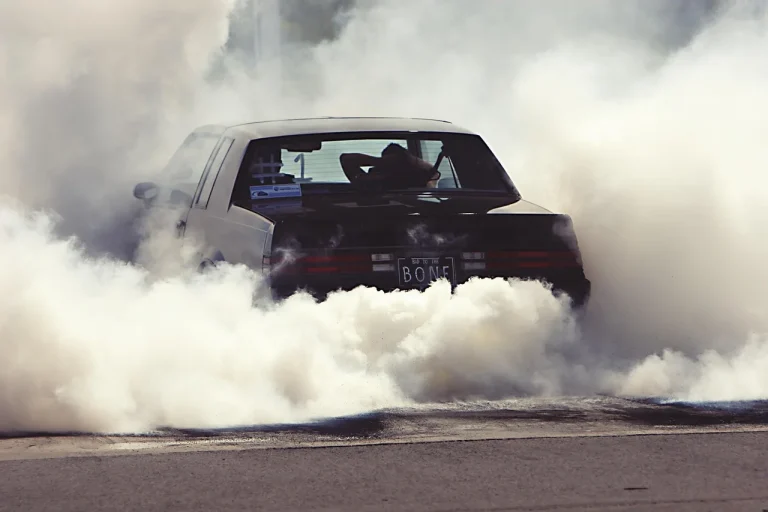
Do You Need to Do a Burnout on Street Tires?
On street tires, a burnout is usually optional. Use a short one only if the tread is dusty, damp, or cold, and skip it if the tires already have clean grip. Done badly, it can overheat the tire, grease the launch, or stress a drivetrain that does not need the extra shock. Here is the street-tire rule, what counts as enough, and how manual, automatic, FWD, RWD, and AWD cars change the answer.
When a short burnout can help
No, not usually. On a drag strip, the main job of a burnout is to clear water and surface contamination before staging, not to “cook” street tires into working harder. Tire makers and drag-racing tech guides generally frame burnouts as a prep step for traction, and street tires usually need only a brief cleanup and light surface warmth, not slick-style heat cycles. Mickey Thompson Tech Tips: Burnout NHRA Drag Racing Tech Tips and Terminology
If the tread is dry and clean, a street tire often does better with a short roll and a clean staging routine than with a long smoky spin. Older or harder-compound tires spin more easily than fresh high-performance tires, but that does not make a long burnout useful. Too much heat can make the tire greasy and less consistent at launch. Most tire makers and drag references emphasize enough heat to aid grip, not so much that the tread is overheated or smeared. BFGoodrich: How to Do a Burnout Open vs. Limited-Slip Differential Basics
Street tire burnout decision table
| Drivetrain | Tire type | Track condition | Recommended action | Risk level |
|---|---|---|---|---|
| RWD | Street tire | Wet water box, dirty tread | Yes, a short burnout can help clean and lightly warm the tire | Moderate |
| FWD | Street tire | Dry or lightly dusty lane | No, skip unless you are only clearing debris | Higher than needed |
| AWD | Street tire | Water box or damp tread | No, for most street cars the burnout is not worth the stress | High |
| Any drivetrain | Cold, hard, street-only tire | Dry lane, clean tread | Skip the burnout | Low |
| RWD | Street tire | Wet box | Yes, if the tire needs cleaning after the water box | Moderate |
| FWD | Street tire | Dry lane | No, clean staging is usually better than extra heat | Low to moderate |
| AWD | Street tire | Wet box | No, most street AWD cars should avoid a burnout unless the setup specifically calls for one | High |
| Manual | Street tire | Any lane condition | Yes only if you need a short cleanup; the clutch shock is the bigger issue | Moderate to high |
| Automatic | Street tire | Any lane condition | Yes only if the tire needs it; otherwise follow a cleaner staging and launch plan | Moderate |
| Open diff | Street tire | Wet or dusty tread | Maybe, but one-wheel spin is less consistent | Moderate |
| LSD | Street tire | Wet or dusty tread | Yes, if the tire needs a short, controlled cleanup | Moderate |
| Any drivetrain | Cold, hard street tire | Dry lane, clean tread | Skip the burnout | Low |
Think of the rule this way: if you need to remove water, dust, or track debris, a short burnout may help. If you are trying to make smoke, you are doing more work than the tire needs. Street tires are not slicks, and they do not need slick-style heat to get down the strip.
Which drivetrain changes the answer?
Drivetrain layout changes how easy it is to start a burnout and how much abuse the car can take while doing it. Rear-wheel-drive cars are the easiest street-tire cars to put through a burnout. Front-wheel-drive cars are less desirable. All-wheel-drive cars need a very strong setup, and a standing burnout is generally impractical for most street AWD cars. Nitto Tire Basics: Traction and Grip AWD Launches and Traction
RWD street cars
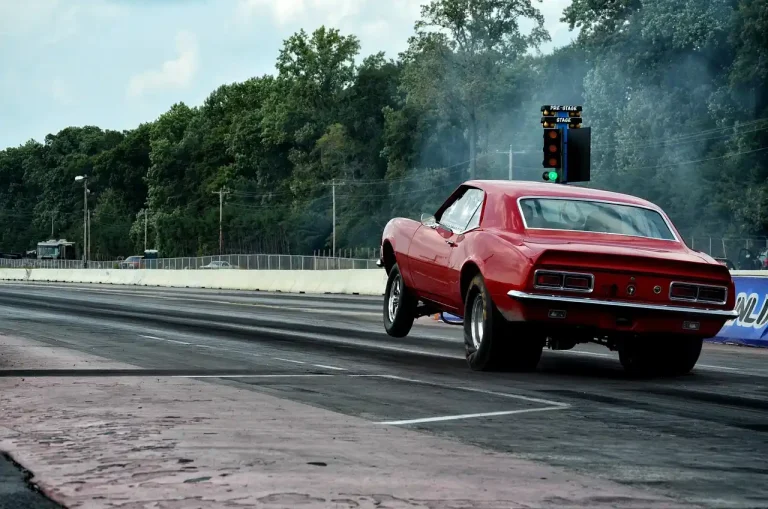
Rear-wheel-drive cars are the common burnout setup at the strip because the driven tires are at the back and the weight transfer can help them spin. On street tires, that makes a short burnout more workable than on other layouts. It still does not mean every RWD pass needs one.
A common first-timer mistake is assuming that a big cloud means the street tires are properly warmed up for a burnout. Say your RWD car rolls through the water box on 255-width street tires and the tread is clearly wet. A short burnout to dry the surface makes sense. A long one that leaves the tires greasy does not.
FWD street cars
Front-wheel-drive cars are harder to keep in a burnout because the driven tires also steer and carry less rearward weight transfer at launch. That makes them less desirable burnout vehicles. On street tires, a burnout often gives less benefit than it would on a rear-drive car, and it can still add heat and wear.
If the lane is dry and the tread is already clean, FWD street cars usually do better skipping the burnout and focusing on a clean launch. If water has splashed onto the front tires, a very short cleanup can be enough. More than that often adds noise without improving grip.
AWD street cars
All-wheel-drive cars need a very strong setup to do burnouts, and a standing burnout in AWD is usually impractical for most street cars. That matters even more on street tires, where the tire already has less track-specific bite than a drag slick. For many street AWD cars, the risk and effort outweigh the gain. Subaru AWD guidance Audi quattro AWD overview
Picture an AWD street car that rolled only the rear tires through the water box by mistake, then staged on damp street tires. The better move is usually to skip the burnout and stage carefully rather than force a dramatic spin. AWD launches are more about consistency than smoke.
How transmission and differential type matter
Transmission and differential choice change how the burnout starts and how much stress lands on the drivetrain. Manual transmissions can break tire traction by revving high and popping the clutch. Automatics need the right combination of power, gearing, and tire condition. Open differentials often cause one-wheel burnouts, while limited-slip units usually send more torque to both sides. How an open differential behaves Open vs. limited-slip differential overview
An open differential can turn a long one-wheel burnout into uneven heat and extra wear in the driveline. A limited-slip differential can create the more even two-wheel burnout many drivers expect, but its clutches can glaze with heat. That is another reason not to overdo it on street tires.
Manual versus automatic
Manual cars can use a clutch dump or pop-clutch method to break traction more easily. That makes the burnout start simpler. It also means the shock load is immediate, so the clutch, driveshaft, transmission, and differential all need to be in good shape if you are going to do it at all.
Automatic cars do not have a clutch to pop, so they depend on the right blend of power, grip, and setup. A street-tire automatic that barely spins in the box may not need more throttle; it may simply need a cleaner track or a better launch plan. Chasing more smoke can push the tire past its useful heat range.
Open differential versus limited-slip differential
An open differential often gives you a one-wheel burnout. That can look dramatic, but it is not a clean way to prep street tires, and it can add stress to the differential. A limited-slip differential usually gives both tires a chance to turn together, which is more predictable for a launch.
That said, an LSD is not a free pass. The added heat can glaze the clutches, and heat is one of the reasons a burnout should stay short on street tires. If the only goal is to clean the tread, a brief spin is enough.
What track conditions make a burnout useful?
A burnout is most useful when the tire needs cleaning or a light warm-up. Water, car wash, or bleach can reduce initial grip, so a street tire that crossed a wet box may need a short cleanup before staging. If the tire is already dry and clean, the burnout often adds little. NHRA burnout box basics Drag Racing Online: Burnout basics
Water box use
The water box is the common drag-strip staging area that helps start a burnout. It is useful when the tire needs to clear water before the run. For street tires, it is less important than it is for slicks, because the goal is usually a dry launch rather than a showy spin. A short burnout after the water box is the best practice when the tire actually picked up water. NHRA burnout box basics Mickey Thompson Tech Tips: Burnout
Should rear-wheel-drive cars use the water box on street tires? Often yes, but only if the tire actually needs cleaning. A short burnout after the water box can help RWD cars remove moisture and loose debris. If the lane is dry and the tire is already clean, rolling past the box may be the better move.
Cold, hard, or dusty tread
Cold, hard, or dusty street tires can feel lazy on the hit, but that does not mean they need a long burnout. The better rule is simple: use the least heat that clears the surface and gets the tire ready. Harder or older compounds are easier to spin, so they can also be easier to overheat.
Suppose a street car sits in staging with 225-section all-season tires that have dust on them from the paddock. A short burnout may clean the tread and help the tire settle into the launch. If the same tire is already hot from driving to the lanes, the burnout is more likely to hurt than help.
How long should a street-tire burnout last?
Shorter than most people think. On street tires, the burnout should usually stop once the tread is clean, lightly warmed, and dry enough to stage. If the tire starts looking greasy, the smoke gets heavy, or the car keeps spinning after the useful part is over, the burnout has gone too far. Tire makers generally describe the goal as cleaning and preparing the tread, not heating it to a slick-style operating window. BFGoodrich: How to Do a Burnout Mickey Thompson Tech Tips: Burnout
Signs you have gone too far
A greasy launch, a tire that feels overly soft at the surface, or a car that feels less consistent pass to pass are all signs the burnout was too long. More smoke does not mean more grip. On street tires, extra heat can work against traction instead of helping it.
- Roll through the box only if the tire needs water removed.
- Start the burnout just long enough to clear the tread.
- Stop once the tire is dry and the surface is clean.
- Stage without adding more heat if the tire already looks ready.
Tire and drivetrain wear to watch
Burnouts wear tires, even when they are brief. They also can stress the clutch, transmission, driveshaft, differential, and engine. That does not mean every burnout breaks parts, but it does mean a street tire should not be treated like a slick that was made for heat and abuse.
Do burnouts ruin tires? They can, especially if they are long or repeated. Can you burn tires on a street car? Yes, but the smarter question is whether the burn is doing useful work for the launch. If the answer is no, skip it.
Frequently asked questions
Do you need to do a burnout on street tires?
No, not usually. On street tires, a burnout is mainly a cleanup and light warm-up step for water, dust, or loose debris. If the tread is already dry and clean, the better move is often to stage normally and avoid adding heat that may make the launch less consistent.
Do burnouts ruin tires?
They can. A short burnout may only add normal wear, but long or repeated burnouts can overheat the tread, make it greasy, and shorten tire life. Street tires are more likely to suffer from excess heat than drag slicks, which are built for that kind of use.
Can you burn tires on a street car?
Yes. Rear-wheel-drive cars are the easiest street-tire cars, front-wheel-drive cars are less desirable, and all-wheel-drive cars need a very strong setup. The fact that a street car can do it does not mean it should do it often, or that a long burnout is useful before every pass.
How do you know if your car needs a burnout at the drag strip?
Use the track surface and the tire surface as your guide. If the tire crossed water, picked up dust, or has visible debris, a short burnout may help. If the tire is already dry, clean, and at a reasonable temperature, the burnout is optional and may be unnecessary.
How long should a burnout last on street tires?
Only long enough to clean the tread and lightly warm it. If the tire starts to smell hot, the smoke thickens, or the car keeps spinning after the tread is clean, stop. On street tires, the useful part is short; the extra heat after that usually hurts launch consistency.
Can a burnout damage your clutch, transmission, or diff?
Yes. Manual cars can shock the clutch and driveline when the clutch is dumped. Open differentials can see extra wear during one-wheel burnouts, and long burnouts can add heat to limited-slip clutches. The main risk is not cosmetic tire wear alone, but real stress on drivetrain parts.