Can You Autocross with an Automatic?
An automatic can autocross well. Keep it in the right gear, control heat, and stop it from hunting between ratios. Miss those points, and you lose time to shift delay, torque-converter slip, or a transmission that heats up and changes behavior. This guide shows how to choose the right mode, stay in gear on tight courses, and drive an automatic consistently.
How automatic shifts affect autocross runs
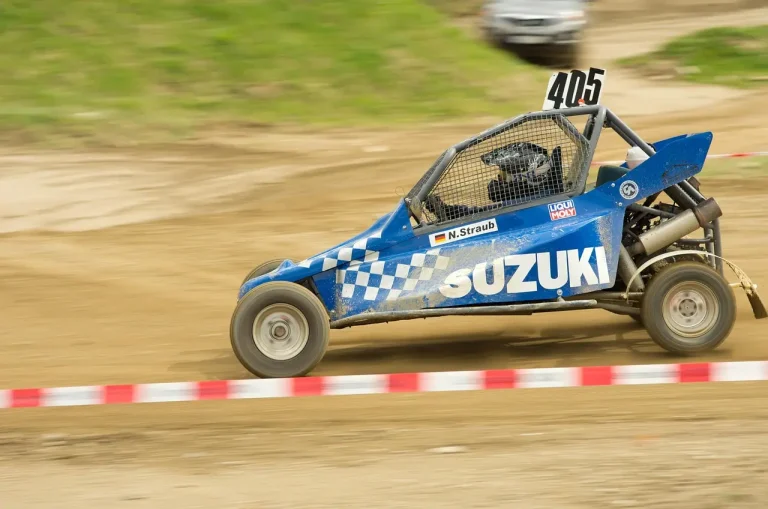
Yes. A regular passenger car or street car can run autocross, and the same is true for an automatic. It shifts without a clutch pedal, so you give up some direct control compared with a manual, but that does not rule it out from the course. SCCA Solo rules and common event tech pages focus on safe operation, proper classing, and driver control—not on requiring a manual transmission.
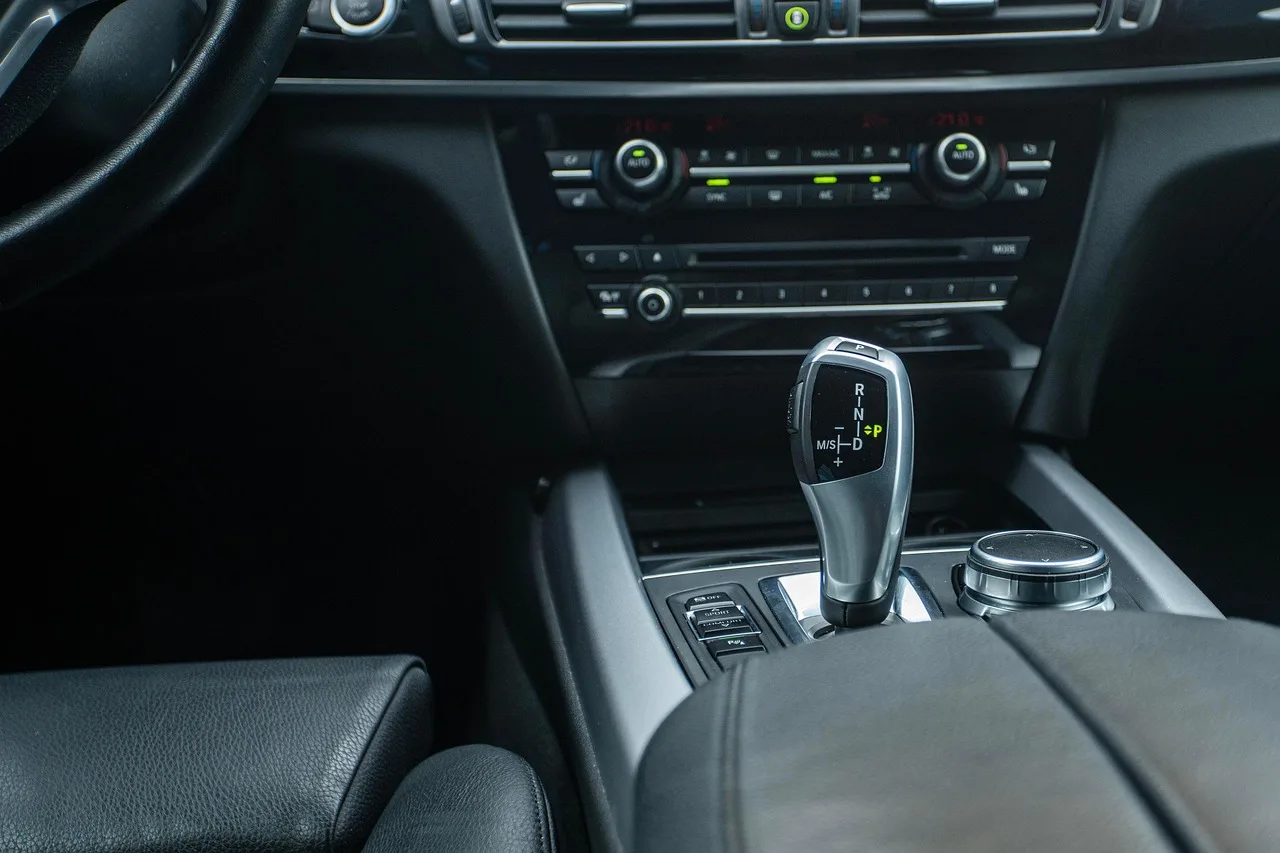
The main difference is shift timing. In a manual, you pick every upshift and downshift. In an automatic, the car may decide for you unless you select a mode that holds the gear you want. That is why owners manuals for many modern automatics explicitly describe manual mode, sport mode, overdrive lockout, and traction-control behavior.
Autocross rewards placement, throttle timing, and repeatable driving more than peak power. Tight cone sections matter more than a clean top-speed run. On a short course, a well-driven automatic can be very competitive.
What changes when the transmission shifts for you
When the transmission makes the shift call, the driver has to work around it. A surprise upshift in the middle of a slalom can upset balance. A downshift at the wrong moment can add delay or change engine braking when you do not want it.
That matters more in autocross than on open track. Open track gives the car more room to settle after a shift. Autocross gives you cones, short straights, and repeated transitions where one bad shift can cost the run. For a broader comparison, see open track vs autocross.
Automatic vs manual in autocross
The automatic-versus-manual comparison is the right baseline, but keep it practical. A manual often gives the driver more direct gear control. An automatic may feel less connected at first, yet it can still run strong times when the driver keeps it in the correct mode and stays smooth.
Driver skill and experience can offset the perceived disadvantage. The driver who places the car well, avoids extra corrections, and keeps the engine in its useful power band often beats a more powerful setup with sloppy inputs.
Driver control and gear choice
Manual control can matter because the course often rewards staying in one gear through a complex section. If the automatic has manual mode, paddles, or a gear limit, use them. That keeps the transmission from upshifting early or searching between gears when the course tightens.
Owners manuals for many modern cars also note that traction-control and stability systems may reduce engine power or brake individual wheels when slip is detected. That can be helpful on the street, but in autocross it can interfere with rotation or corner exit if left in the wrong setting. Check the car’s manual and the event’s rules before disabling anything. For class implications, see SCCA classing and the event’s tech sheet.
Consistency, launch behavior, and corner exit
Consistency often matters more than a perfect launch in autocross because the start is only part of the run. A torque-converter automatic can soften the hit off the line, but it can also make the car easy to repeat. That repeatability helps when every run needs to feel the same.
Manual cars can feel more immediate, but they also ask more from the driver on each shift. In a tight course, a small missed shift can cost more than the slightly slower feel of an automatic.
How to drive an automatic well
Use the transmission mode that gives you the most control without adding surprises. If the car has manual mode or paddles, start there. If it has a gear limit or an overdrive lockout, use it when the course is too short for top gear. The goal is a steady gear choice from the first cone to the finish.
Do not let the car hunt for gears. Hunting means it keeps shifting back and forth because speed and throttle are hovering near a shift point. That wastes time and can heat the transmission.
Manual mode, paddles, and gear lockout
Manual mode is the first thing to check because many street automatics let the driver hold a ratio. Paddles can help on some cars, but only if the system responds cleanly and does not ignore the command under load. If the transmission offers a gear hold or overdrive lockout, confirm it before the event. Many OEM manuals describe these functions specifically for steep grades, towing, or performance use; in autocross, the same logic helps keep the transmission from upshifting too early.
For a tight autocross course, the right gear is usually the one that lets the car pull cleanly without forcing a mid-run shift. If the course is short enough, that may mean staying one gear lower than normal driving would suggest.
Prevent unwanted upshifts and gear hunting
Watch the tachometer during practice runs. If the car is upshifting before the finish cone or during a long sweeper, choose a lower gear or a more aggressive mode. If it is bouncing between two gears, you need a different setting.
Suppose the car runs second gear cleanly through the first half of the course but upshifts on the only straight before the finish. That one shift can cost more time than a slightly higher engine speed would have cost, so holding second gear is usually the better choice. This is a common failure case on autos that are left in full drive.
Choose the right mode for short, tight runs
Autocross is generally a low-speed timed competition built around cones and tight turns. That means gear selection should favor response, not cruising comfort. Drive mode may be fine on the street, but a manual hold or sport setting is often better on course.
Torque-converter automatics, dual-clutch transmissions, and CVTs behave differently. A torque-converter unit may be tolerant and smooth, especially in repeated launch-and-brake cycles. A DCT can shift very quickly but may still react to protection logic or heat. A CVT may keep engine speed steady, but its behavior can feel less direct if the software is unhappy with repeated throttle changes or if it simulates fixed ratios inconsistently.
Automatic autocross setup checklist
Use this checklist before your first run. It keeps the setup simple and helps you avoid the most common automatic-specific mistakes. The items below are about control, heat, and repeatability, not expensive parts.
| Automatic Autocross Setup Checklist | Yes | No |
|---|---|---|
| Manual mode available and usable under load | □ | □ |
| Overdrive lockout or gear limit available | □ | □ |
| Traction control behavior understood before grid | □ | □ |
| Temperature or heat concerns addressed before repeated runs | □ | □ |
Decision table: what to do next
| Question | Yes | No |
|---|---|---|
| Manual mode works cleanly when you brake, turn, and reapply throttle? | Use manual mode for the run and hold the gear that avoids a mid-course shift. | Use the most aggressive predictable drive mode available, then verify shift points in grid or paddock. |
| Overdrive lockout or gear limit is available? | Lock out overdrive if the course is too short for the top gear, especially if you see an upshift before the finish. | Choose a lower gear manually, or use sport/manual mode if the car has it. |
| Traction control can be adjusted without violating class or event rules? | Set it to the least intrusive legal setting before the first run, and confirm the car still rotates and exits cleanly. | Leave it on if required, but expect reduced power and plan for smoother throttle application. |
| Heat becomes noticeable after consecutive runs? | Give the car cool-down time, monitor transmission behavior, and avoid extra full-throttle pulls between runs. | Continue with normal grid-to-grid prep, but still watch for changes in shift feel or warning lights. |
Transmission mode to use
Start with the mode that holds a gear predictably. If the car has paddles, learn whether it obeys them with autocross-style throttle changes. If it has only drive modes, test whether sport mode delays shifts enough to help on course.
Shift-behavior risks to watch
Look for unwanted upshifts, delayed downshifts, and gear hunting. Also watch for torque-converter slip that makes the car feel soft on exit, DCT logic that changes under heat, and CVT behavior that feels inconsistent after a few runs. Any of those can show up before the car feels slow in a straight line.
Prep items before your first run
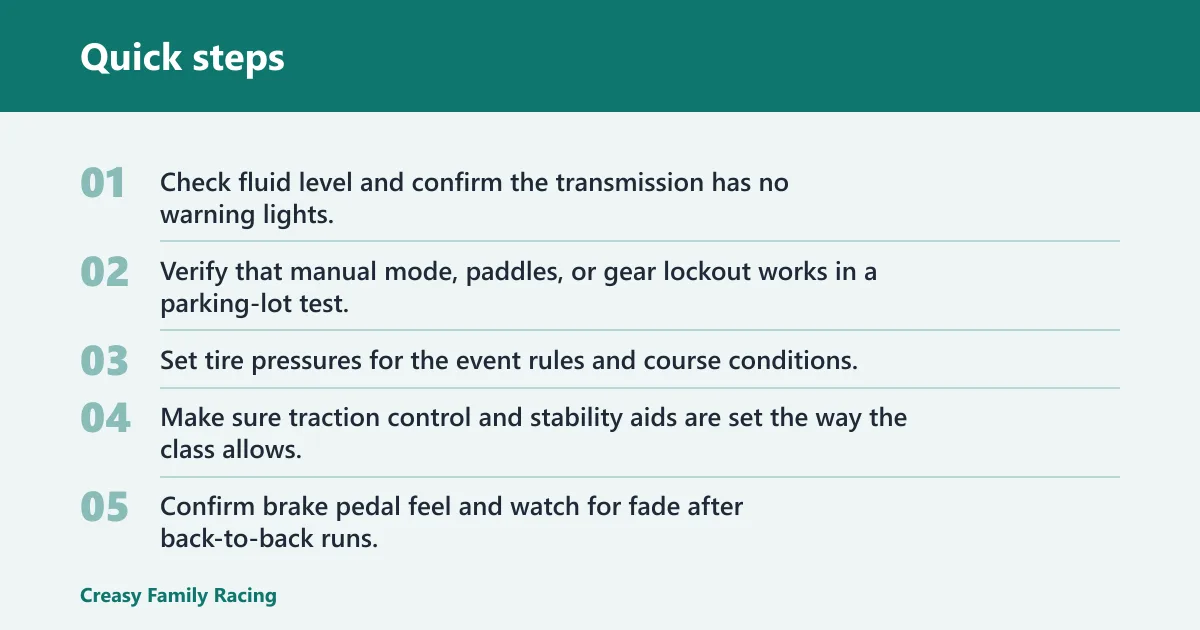
- Check fluid level and confirm the transmission has no warning lights.
- Verify that manual mode, paddles, or gear lockout works in a parking-lot test.
- Set tire pressures for the event rules and course conditions; start with a basic guide like autocross tire pressure.
- Make sure traction control and stability aids are set the way the class allows; see traction control for the common tradeoffs.
- Confirm brake pedal feel and watch for fade after back-to-back runs; review brake fluid if the car has old fluid or a soft pedal.
- Bring the essentials from a first-event checklist so you are not solving basic prep issues at grid.
Heat deserves attention because autocross asks for repeated hard acceleration, braking, and slow-course transitions. A transmission that gets too hot may change shift feel or protect itself by altering behavior. Brake heat can also build quickly because runs are short but intense, with little cooling time between them. Event organizers commonly flag this in tech or paddock guidance because repeated runs can expose cooling weaknesses that a commute never does.
A common first-timer mistake is leaving the car in full automatic drive and assuming the computer will make the right choice on every section. On a tight course, that often leads to an early upshift right before a slalom entry, followed by a delayed kickdown when the driver gets back on throttle.
Will an automatic car be slower?
Not always. An automatic can be slower if its shift logic is poorly matched to the course, but torque can help acceleration, and a good automatic can be very quick when the driver keeps it in the right gear. Skill and consistency often matter more than the transmission type itself.
The better question is whether the car stays in the power it can use. If the automatic shifts at the wrong moment, it gives away time. If it holds gear and keeps the engine ready for the next cone, it can run competitive times.
Why torque can help acceleration
Torque is the engine’s twisting force, and that helps a car pull out of slow corners. In autocross, strong low- and mid-range pull can matter more than high-rpm power because the course is short and the car spends much of its time below full-speed conditions.
When slower shift logic hurts time
Shift logic hurts when it adds delay at corner exit or shifts mid-transition. That extra pause can be enough to lose time in a section where the car should be accelerating cleanly. In a manual, the driver controls that timing. In an automatic, the setup has to do that work.
How skill and consistency close the gap
Clean steering, steady throttle, and repeatable braking close the gap faster than chasing power. The driver who keeps the car settled and avoids unnecessary corrections usually gains more time than a simple transmission swap would give.
What should you change before your first event?
Start with the items that affect grip, cooling, and driver aids. Tires matter, but they are not the only change that counts. Class rules also matter, because a tire change or drivetrain aid can move the car into a different category depending on the rule set.
Traction tires can improve grip, and the competitor page treats special tires as the only extra modification. That is too simple for planning. The better approach is to check street legality, class impact, and whether the tire choice fits the event’s rules before you buy anything.
Tires and class impact
Better tires can help more than many bolt-ons in autocross because the course is short and grip is limited. But tire changes may affect classing, especially if the new tire size or compound falls outside the allowed setup. If you want to stay legal for street use, confirm the tire is approved for public roads as well as the event. For rule context, see SCCA classing.
Heat, brakes, and fluid checks
Inspect engine oil, transmission fluid, and brake condition before the event. A car that is already near the edge on cooling or brake wear is more likely to change behavior during repeated runs. That matters more in autocross than in a single commute.
Traction control and driver aids
Driver aids can be helpful or intrusive, depending on the car and class. If traction control trims power too early or brake-based stability systems interfere with rotation, learn how to adjust them within the rules. Classing may care about whether those systems are fully active, partially disabled, or altered.
Can you autocross a convertible?
Yes, as long as the car is allowed by the event and meets the same safety expectations as any other street car. The roof type matters less than the car’s condition, the rules, and whether the driver can keep the chassis composed through the course. SCCA Solo and local organizer tech pages may have extra guidance on tops, latches, roll-over protection, or windshield frame condition, so check the event-specific rulebook before you assume the answer.
A convertible with an automatic can run the same basic strategy as any other automatic: choose the right gear, keep the car predictable, and avoid heat-related inconsistency. The soft-top or removable roof does not change the need for clean shift behavior.
Convertible-specific caution
Convertible chassis can flex more than coupes, so abrupt throttle or steering inputs may feel less settled. That does not make the car unsafe by itself, but it does mean smooth inputs matter even more. If the event has a stricter tech standard for top-down cars, follow that standard first.
Frequently asked questions
Can you autocross with an automatic?
Yes. An automatic car can autocross well if you keep it in the right gear and avoid unwanted shifts. The main job is to stop the transmission from deciding too much for itself. If you can hold a useful ratio, the car can be competitive on a tight course.
Is an automatic transmission a disadvantage in autocross?
It can feel like one at first because you give up some direct gear control, and the car may shift when you do not want it to. That said, experience and good driving can offset the gap, especially when the course rewards smooth placement and repeatable inputs over raw power.
What driving technique should I use in an automatic autocross car?
Use manual mode, paddles, or a gear limit when available. Hold the gear that keeps the car pulling cleanly through the tight section, and avoid flooring it if that will trigger an unwanted upshift. Smooth throttle and clean line choice matter more than forcing the car to do more work.
Will an automatic car be slower than a manual in autocross?
Not automatically. A manual may give more control, but an automatic with good shift behavior can match or beat a manual car that is poorly driven. The course, the gear spacing, and the driver’s consistency often matter more than the pedal layout.
What should I change on my automatic car before my first autocross?
Check tires, fluid condition, brake feel, and transmission behavior first. Make sure manual mode or gear lockout works if the car has it, and confirm that traction control settings are understood before grid. Tire changes can help, but they may also affect class and street legality.
How to get better at autocross without more power
Focus on line choice, braking points, and staying in the right gear. In an automatic, the biggest gains often come from preventing unwanted shifts and keeping the transmission cool enough to stay consistent. Better placement and fewer corrections usually beat a small power increase on a short course.
How to autocross
Start by learning the course, then drive smoothly, keep the car in the correct gear, and avoid sudden inputs. In an automatic, the transmission choice is part of that plan. If the car stays predictable, you can concentrate on cones, braking, and exit speed instead of shift surprises.
Sources
SCCA Solo rules and event safety/classing guidance; local organizer tech inspection and paddock instructions; OEM owner manuals for automatic transmission manual mode, overdrive lockout, and traction-control behavior.