Should You Replace or Resurface Brake Rotors for Track Use?
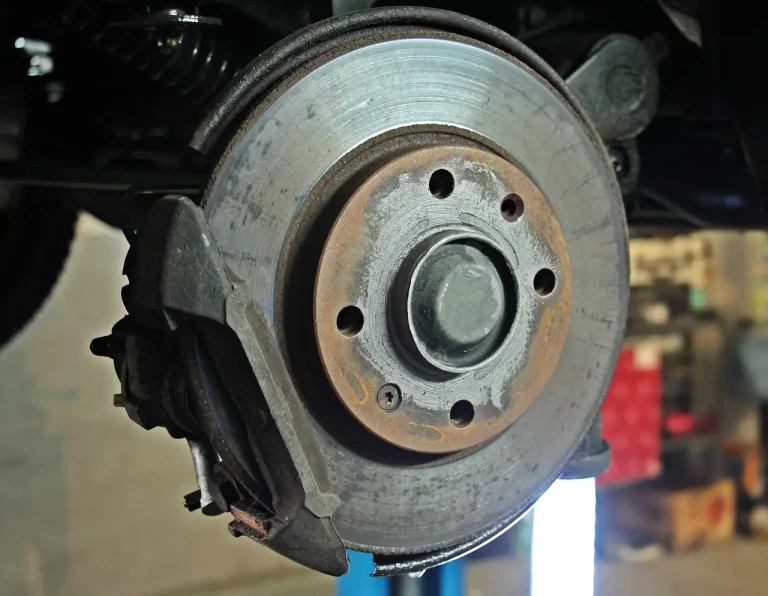
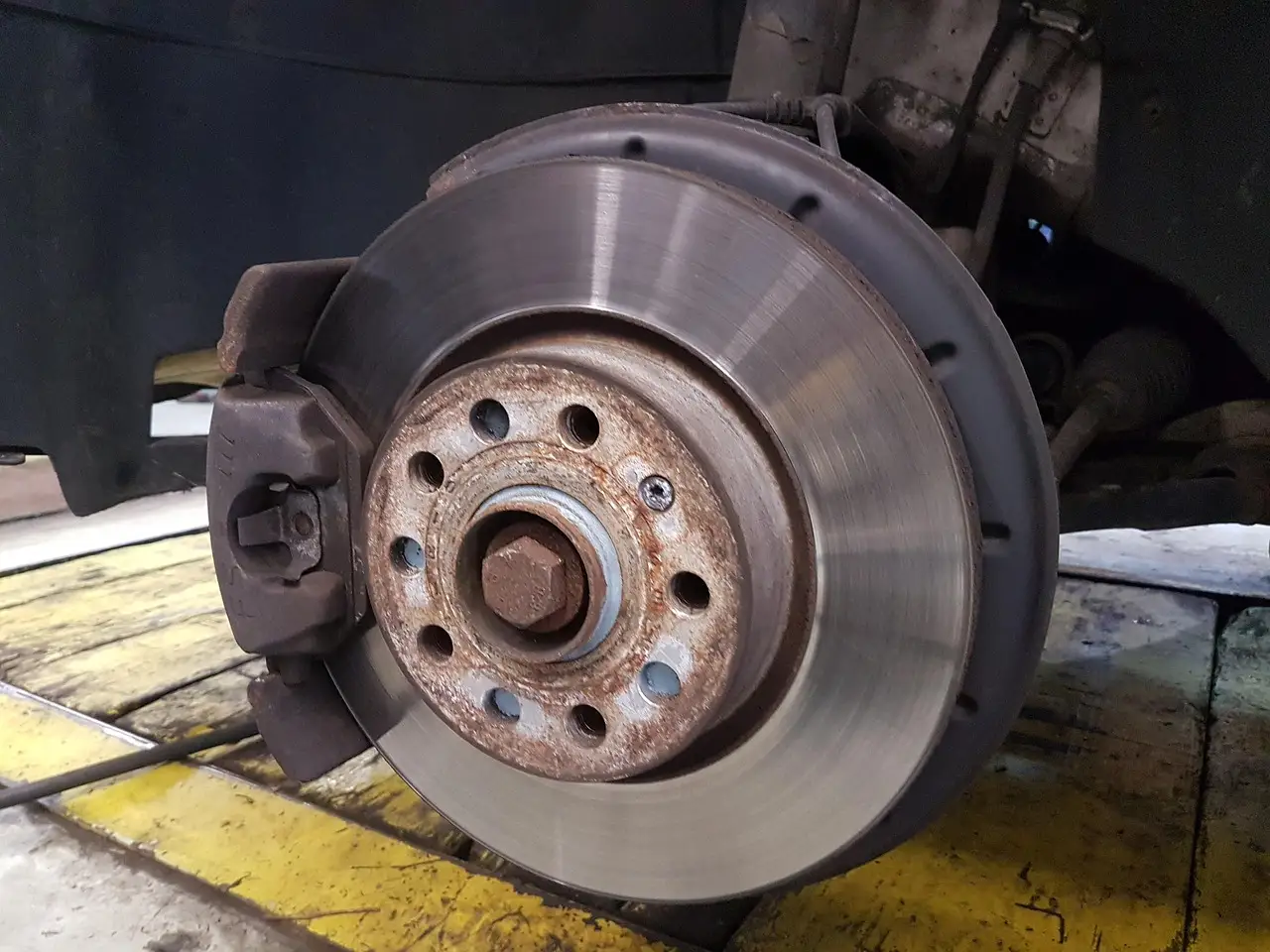
Replace rotors when they are at or below minimum thickness, show heat-check cracks that reach the edges or any drilled holes, or have deep scoring; otherwise, resurface only if the rotor still has enough thickness for repeated track heat cycles and the vehicle or rotor manufacturer’s crack, thickness, and service-limit specs still allow it. Machine too far, and you lose thermal mass, raise temperatures, and shorten the margin before fade or cracking. This guide covers the track-use decision, thickness limits, crack inspection, and when resurfacing costs more than a fresh rotor.
Replace or resurface at a glance
The trade-off is plain. Resurfacing costs less up front, but it removes material that track use needs for heat capacity. Replacement costs more, yet it restores full thickness and gives you a stronger starting point for repeated high-energy stops. The final call should still follow the rotor maker’s service limits and the vehicle maker’s brake specifications.
| Criterion | Keep as-is | Resurface | Replace |
|---|---|---|---|
| Rotor thickness margin | Only if well above minimum thickness and wear is even | Only if it stays above minimum thickness after machining | Best when thickness is near the limit or already below it |
| Visible cracks | No cracks reaching the edges, holes, or vanes | Not suitable if cracks are present | Preferred when cracks are present |
| Scoring depth | Light marks only | Shallow grooves that can be cleaned up | Deep grooves or heavy scoring |
| Blueing and heat checks | Minor discoloration only, no structural concern | Possible only if the surface remains sound | Better when heat checks are heavy or widespread |
| Pad transfer | Can remain if braking is still smooth | May help if the issue is mainly surface transfer | Needed if transfer masks damage or keeps returning |
| Intended session length | Short, low-heat use | Shorter track days with modest heat load | Repeated hot laps, HPDE, or time-trial use |
| Risk level | Lowest only when inspection is clean | Moderate, because machining reduces reserve | Lowest risk for hard use when thickness was the concern |
| Final recommendation for street use | Acceptable if the rotor is smooth and thick enough | Reasonable for mild wear and low heat demand | Best if the rotor is cracked, thin, or deeply scored |
| Final recommendation for HPDE use | Only if inspection is clean and reserve is strong | Usually a compromise, not the first choice | Preferred for a safer thermal margin |
| Final recommendation for time-trial use | Generally too little margin unless the rotor is nearly new | Usually poor value because track heat eats the remaining thickness | Strongest choice before repeated high-heat sessions |
What changes on track versus street use
Track-day heat load changes the decision. Street braking may tolerate a rotor that is still serviceable after a light cut, but repeated high-energy stops can thin the rotor, glaze the surface, and reduce the thermal mass that keeps temperatures in check.
That is why a rotor that seems acceptable for commuting can become a weaker choice for HPDE or time-trial use. The rotor has to survive heat cycles, not only one smooth stop, and it still has to stay within the maker’s thickness and crack limits.
Can brake rotors be resurfaced if they’re still above minimum thickness?
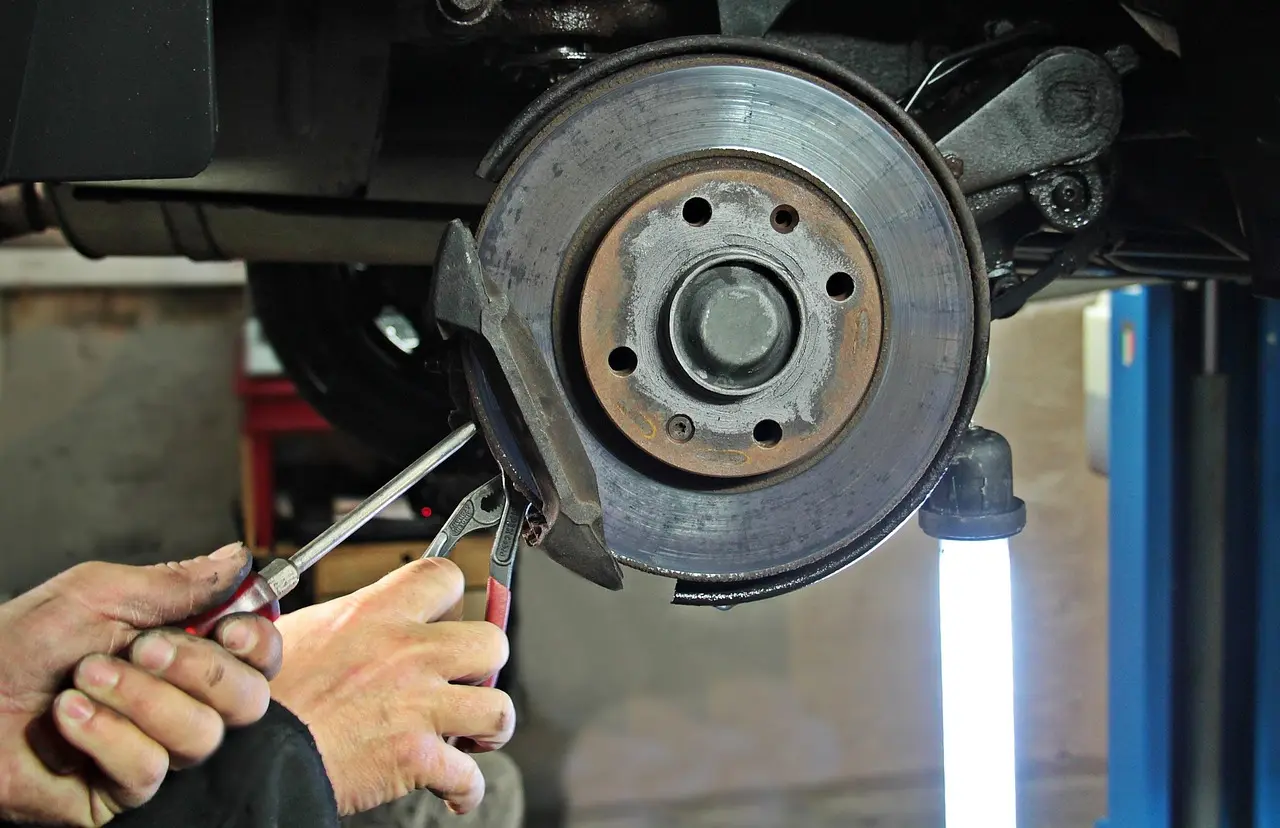
Yes, but only if the rotor remains above the manufacturer’s minimum thickness after machining and shows no major defects. Resurfacing removes a thin layer from the braking surface, so the rotor must still have enough material left to carry heat and stay stable on track, and it must still meet the rotor maker’s service-limit spec.
When machining is acceptable
Resurfacing belongs on rotors that are otherwise in good condition. The surface should have only shallow grooves, light pad transfer, or minor unevenness, and the finished rotor still needs to clear the discard spec.
Measure both sides. Check rotor thickness at several points around the disc, not just once. Compare the reading to the manufacturer’s minimum thickness before deciding anything.
Inspect the surface. Look for light scoring, mild pad transfer, and uneven wear. If the surface damage is shallow, machining may clean it up without pushing the rotor below the limit.
Confirm post-cut margin. Estimate the amount of material the cut will remove and make sure the rotor will still be thick enough for the intended use. A track rotor with little reserve can become too hot too fast after machining.
Why thin rotors lose track margin fast
Every cut removes thermal mass. That matters more on track than in normal street driving because the rotor must absorb repeated heat spikes, not just occasional stops.
Modern rotors often start with less room for machining than older, heavier designs. That makes resurfacing a poor track-prep choice when the goal is durability under heat, not just a smoother pedal feel.
When should you replace them?
Replace rotors when they are cracked, deeply scored, below minimum thickness, or heat-damaged enough that machining would leave too little material for track use. Replacement restores full thickness, which gives you the best thermal reserve and the cleanest starting point for new pads, but only if that rotor still matches the vehicle and rotor manufacturer’s replacement guidance for your setup.
Cracks, heavy grooves, and heat checking
General brake guidance usually treats visible cracking, deep scoring, or heavy heat checking as replacement-level damage. For track use, the safer reading is broader: cracks that reach an edge, a drilled hole, or any other stress concentrator, and cracks elsewhere that are growing or clearly structural, should not be brushed off as normal wear.
Heat checking matters too. Small surface lines can be common after hard use, but cracks that reach the edges or any holes generally call for replacement rather than machining.
Minimum thickness after machining
Minimum thickness is the hard limit. A rotor can be resurfaced only if it remains above the manufacturer’s minimum thickness after machining, and any rotor below that spec needs replacement.
That limit is not only about safety. It also marks the point where the rotor has too little material to shed heat well enough for repeated track stops.
Does heat change the answer?
Yes. Heat load is the main reason track use changes the resurfacing decision. A rotor that is technically usable on the street may be a weak candidate once you ask it to handle repeated hot laps, because the thinner it gets, the faster it can run hot, glaze, and pulse.
Thermal mass and fade resistance
Thermal mass is the reserve that helps the rotor absorb energy without overheating. Remove material, and that reserve shrinks. On track, the cost shows up as higher temperatures, more chance of pad glazing, and less margin before fade sets in.
That is why a resurfaced rotor can be a false economy for hard use. The machining bill may be low, but the rotor may give up the very thickness that helps it survive the next session.
Why resurfaced rotors can run hotter
A resurfaced rotor starts with less material than a fresh one. Less material means less heat storage, and track braking quickly exposes that loss. If the original rotor was already close to discard thickness, machining can leave a part that still meets spec but may struggle in repeated hot laps.
Say your car sees about a 20-minute HPDE session and the rotors already have light scoring. A cut may make them look cleaner, but the smaller heat reserve can push temperatures up sooner on the next session.
Brake rotor decision matrix
This matrix gives a track-day filter, not just a street-service one. The key question is whether the rotor can survive repeated heat cycles with enough thickness left to avoid fade, vibration, or cracking, while still staying within the manufacturer’s own limits.
| Condition | Keep as-is | Resurface | Replace |
|---|---|---|---|
| Rotor thickness margin | Well above minimum, even wear | Above minimum after a light cut | At or near minimum, or below it |
| Visible cracks | No cracks | No major cracks | Cracks that reach edges or holes |
| Scoring depth | None or very light | Shallow grooves only | Deep grooves or heavy scoring |
| Blueing and heat checks | Light discoloration only | Minor heat marks with no structural concern | Heavy heat checking or widespread cracking |
| Pad transfer | Minimal and smooth | Transfer can be cleaned if the rotor is otherwise sound | Persistent transfer with vibration or surface damage |
| Intended session length | Short street use | Light track use only | HPDE, time-trial, or repeated hot laps |
| Risk level | Low for street | Medium, with less reserve on track | Lowest risk for hard use |
| Final recommendation for street use | Keep if inspection stays clean | Acceptable when the rotor is still well above minimum thickness | Replace if damage is present |
| Final recommendation for HPDE use | Only if the rotor is nearly new | Usually pass unless heat load is very mild | Preferred choice |
| Final recommendation for time-trial use | Not recommended unless condition is exceptional | Usually not worth the lost thermal reserve | Strongly preferred |
Do new pads need new rotors for track driving?
No, new pads do not always require new rotors for track driving. If the rotors are thick enough, flat enough, and free of serious damage, the existing set can stay in service. The pad surface and rotor surface still need to match, though, or vibration and noise can show up fast.
Pad transfer and glazing versus rotor damage
Brake pad transfer and glazing can cause squeaks, vibration, and a pulsing feel that looks like warped rotors. That symptom can also come from uneven pad material on the disc.
That matters because resurfacing is not the right fix for every vibration complaint. If the issue is mainly transfer, cleaning up the surface may help. If the rotor is cracked, too thin, or deeply grooved, machining only delays the real repair.
When pad and rotor pairing is still fine
New pads can work with a rotor that is clean, thick, and smooth enough for the session ahead. The key is condition, not age alone. A rotor that has enough margin and no structural defects can often support a fresh pad set without replacement, provided it still fits the vehicle maker’s and rotor maker’s limits.
Picture a 10-minute street-and-autocross car with mild pad transfer and no cracks. A light cleanup may be enough. Put that same rotor into longer HPDE sessions, and the remaining margin matters much more.
Choose resurface if… / Choose replace if…
Street and mixed-use drivers can sometimes save a rotor, but track drivers should be stricter. The more heat cycles you plan to add to the rotor, the less attractive machining becomes. The final decision should still come back to the rotor’s measured thickness and the manufacturer’s service limits.
Choose resurface if…
- The rotor is still above minimum thickness after the cut.
- Scoring is shallow and there are no cracks reaching the edges or holes.
- The car sees mostly street use, with only light track duty planned.
- You need to clean up light pad transfer, not repair real damage.
Choose replace if…
- The rotor is at or below the discard spec.
- Cracks, deep grooves, or heavy heat checking are visible.
- You expect repeated hot laps, HPDE sessions, or time-trial use.
- The rotor is thin enough that another cut would erase too much thermal reserve.
A common first-timer mistake is treating a rotor that “measures okay” as a good track rotor. The better question is whether it will still be okay after a full session, not just after the caliper is opened on the lift, and whether it still clears the manufacturer’s thickness and crack limits after any machining.
Frequently asked questions
Should you replace or resurface brake rotors for track use?
For track use, replace rotors when they are cracked, deeply scored, or near the minimum thickness limit. Resurface only when the rotor is otherwise sound and will still stay above the manufacturer’s discard spec after machining. Track heat makes remaining thickness matter more than it does on the street, and the final decision should follow the vehicle and rotor maker’s limits.
When is it unsafe to resurface brake rotors?
It is unsafe to resurface when the rotor is below minimum thickness, has cracks that reach the edges or holes, or shows deep grooves and heavy heat checking.
How do I know if my rotors are too thin for track use?
Measure rotor thickness in several spots and compare it to the manufacturer’s minimum thickness. If the rotor is already close to that number, or would drop below it after machining, it is too thin for a track-prep cut.
Should rotors be replaced in pairs before a track day?
Rotors are commonly replaced in pairs on the same axle so braking balance stays consistent. If one rotor is too thin, cracked, or deeply scored, check the other side as well. Mixed wear across an axle can create uneven braking feel and inconsistent heat behavior on track.