How Do I Set Cold Tire Pressure Before a Track Day?
Set your cold tire pressure at the door-jamb placard as the starting point, then lower it 2–4 psi if the track is hot or the car builds a lot of heat. Get it wrong and you can lose grip, overheat the tires, or wear the shoulders fast. This guide shows how to choose a cold starting pressure and how to check the hot pressure after your first session.
What you’ll need
- A tire pressure gauge that reads accurately in PSI
- An air source for small top-ups
- A pen or phone note for recording cold and hot readings
- A pyrometer if you want tread-band temperature data after a session
- Your tire maker’s pressure guidance for your exact tire model
How do I set cold tire pressure before a track day?
Start with the vehicle’s door-jamb pressure, then trim it for tire type, ambient temperature, and track grip before your first session. Check the pressure cold, make small changes, and validate the setup with a hot reading right after you come off track.
If the tire maker gives a track-specific cold or hot target, use that before the placard. The door-jamb number is a baseline, not a final track setting for every tire.
Track tire pressure worksheet
| Tire position | Door-jamb cold PSI | Adjusted starting PSI | First-session hot PSI | Ambient temperature | Track surface grip | Recommended next change |
|---|---|---|---|---|---|---|
| Front left | 32 | 30.5 | 36.0 | 58°F morning | Low grip | 0.5 psi down if center wear is higher than shoulders |
| Front right | 32 | 30.5 | 35.5 | 58°F morning | Low grip | 0.5 psi down if hot PSI stays above the tire maker’s range |
| Rear left | 32 | 31.0 | 34.5 | 58°F morning | Low grip | 0.5 psi up if shoulders run hotter than the center |
| Rear right | 32 | 31.0 | 34.0 | 58°F morning | Low grip | Hold if wear is even across the tread band |
Decision rule: if the hot pressure is above the tire maker’s recommended range, bleed 0.5 psi and recheck. If it is below the useful range for the tire, add 0.5 psi. If the tread-band temperatures are even and the wear looks normal, keep the setting.
- Read the cold baseline. Check all four tires before driving to grid, before loading the car hard, and before heat build-up changes the number. Use the door-jamb placard only until a tire-specific track target replaces it.
- Trim for track conditions. Lower the starting pressure by about 2–4 psi for a hot day, a grippy surface, or a car that heats tires quickly. Track surfaces with less rubber and long straights often want a higher starting pressure than a fully rubbered-in, high-grip circuit.
- Set each corner separately. Keep a pressure stagger front-to-rear or side-to-side only if the chassis balance calls for it. Start with the same front pair and the same rear pair, then change one axle at a time.
- Record the start values. Write down ambient temperature, surface grip, and each tire’s cold PSI. A pressure gauge that reads in PSI is the tool you can trust for repeatable changes.
- Run the first session. Drive a normal session, then come straight back to the paddock for the first hot check. The goal is to capture the pressure before the tire cools much.
- Measure hot immediately. Check pressure as soon as the car stops. Hot pressure is the validation step, and it should stay within the tire maker’s recommended range. For some track tires, that target is narrow; LeCont lists 11.3-12.5 as optimal hot pressure, MG Yellow uses 13-15 psi on low-grip tracks and 9-11 psi on high-grip tracks, and MG Red uses 17-19 psi on low-grip tracks and 13-15 psi on high-grip tracks.
- Adjust in 0.5 psi steps. Add or bleed 0.5 psi, then recheck after the next session. One PSI can cost 5-6 tenths of a second in ACC, so do not swing the setting by large amounts.
How much should tire pressure rise on track?
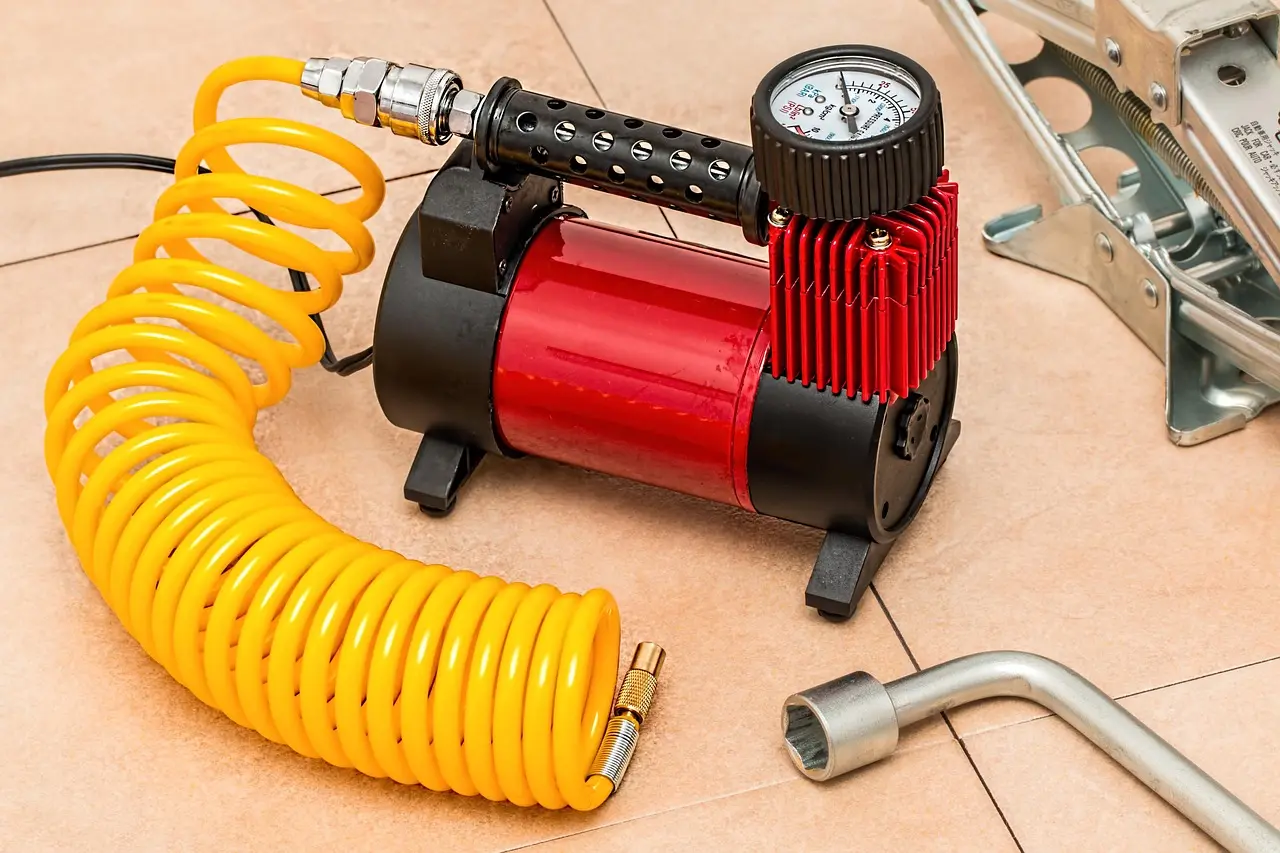
Pressure should rise after the tires warm up, and the first hot reading tells you whether your cold setup was close. A warmer track usually raises pressure more, while a cold track usually gives less growth. If the hot number is outside the tire maker’s range, adjust the cold start for the next session.
Ambient air temperature matters too. A morning session and an afternoon session can need different cold starts even on the same day, because hotter air and a hotter track both increase pressure growth.
Say your cold start is correct in the morning, but the afternoon session adds more heat and the hot PSI climbs beyond target. Drop the next cold setting by 0.5 psi to 1 psi, then confirm with another immediate post-session check.
What counts as a useful hot check?
Measure hot pressure right when you return to the paddock. That reading validates the cold starting point, and it is more useful than a number taken after the tire has already cooled. If the car sits for several minutes, the reading drifts downward and the check loses value.
For grip and wear, use the tread band too. ACC says a maximum 15-degree Celsius spread is ideal across tire readings, and it lists 26-27.2 PSI as an optimum tire pressure. ACC also notes a green tire is around 80-90 degrees Celsius, which is a useful reference when you are matching pressure to heat.
What if the tires run too hot or too cold?
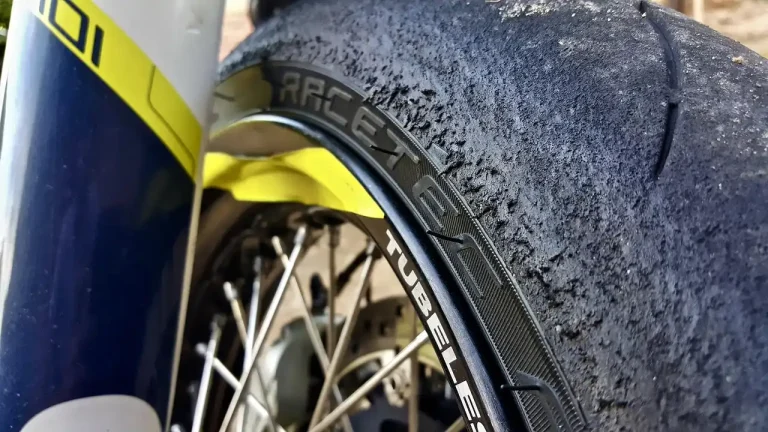
Too much hot pressure usually shows up as a smaller contact patch, fast center wear, and a tire that feels vague as the session goes on. Too little pressure usually overheats the shoulders, rolls the sidewall more, and can leave the tread band hotter at the edges than in the center.
Use the pyrometer after the session if you have one. Compare inner, middle, and outer tread-band temperatures. A hotter center often points to overinflation, while hotter shoulders point to underinflation. The tread-band target is 176-203 degrees, and a wide spread across the band means the pressure or alignment still needs work.
- Check the tread pattern. Look for graining, tearing, or shiny center wear before you touch the pressure. That wear pattern tells you whether the tire was run too hard or too soft.
- Match the temperature spread. If the center is hotter than both shoulders, bleed 0.5 psi and recheck. If both shoulders are hotter than the center, add 0.5 psi and recheck after the next run.
- Hold the line on hot pressure. Do not bleed air just because the tire feels hot in the paddock. Bleed only when the hot reading is above the target range or the tread data shows the tire is overworked.
- Escalate only if needed. If the second check still misses the target, change another 0.5 psi and keep the rest of the setup steady. Wheel type can matter here too; cast magnesium wheels may need 0.5 to 0.75 psi higher starting pressure because heat dissipation changes how the tire stabilizes.
Picture a front tire that comes off track at 38 psi hot when the target window for that tire is lower. Drop 0.5 psi, run the next session, and compare the tread-band temperatures again. That keeps the change controlled and makes the next reading meaningful.
Common mistakes
- Starting too low because the morning is cool. The tire can build too much heat and punish the shoulders.
- Bleeding hot tires to chase one number without checking tread temperature spread.
- Using the same pressure for every tire model. Manufacturer guidance varies by tire model and compound.
- Waiting until the tire cools before the first check. That removes the value of the hot reading.
- Ignoring track grip. A rubbered-in, high-grip surface usually wants a different starting point than a dusty or low-grip surface.
Prevention: write the cold start, hot result, ambient temperature, and grip level in the same note every session. That makes the next adjustment easier to justify and easier to repeat.
Frequently asked questions
Should tire pressure be checked cold before a track day?
Yes. Check it cold before any session so you have a real baseline, then confirm with a hot reading after the first run. Cold pressure is the setup number; hot pressure is the validation number.
What cold tire pressure should I start with for a track day?
Start from the door-jamb placard unless the tire maker gives a track-specific target, then trim 2–4 psi for hotter conditions or more heat build-up. Use the tire model’s guidance first when it differs from the placard.
How much should tire pressure rise on track after a few laps?
There is no single universal rise. The useful check is where the hot pressure lands versus the tire maker’s range after one session, because ambient temperature, track temperature, and grip all change how fast the pressure grows.
What is the best way to set tire pressure before leaving the paddock?
Set each tire cold, record the numbers, then recheck immediately after the first session and adjust in 0.5 psi steps. That keeps the setup repeatable and avoids chasing feel alone.
Should I bleed tire pressure when tires are hot in the paddock?
Only if the hot reading is above the target range or the tread pattern says the tire is overworked. Bleed 0.5 psi, then confirm the result in the next session instead of cutting more air at once.
What hot tire pressure should I target after a session?
Target the tire maker’s track range for your tire model. Examples from supplied data include LeCont at 11.3-12.5, MG Yellow at 13-15 psi on low-grip tracks and 9-11 psi on high-grip tracks, and MG Red at 17-19 psi on low-grip tracks and 13-15 psi on high-grip tracks.
How often should I check tire pressure during a track day?
Check cold before the first run, then check hot right after each session until the setting is stable. Recheck again if the ambient temperature changes enough to alter pressure growth or if the track grip changes through the day.
How do I know if my cold pressure is too high or too low?
If the hot pressure climbs too fast and the center wears harder, the cold setting was likely too high. If the shoulders run hotter than the center and the tire feels greasy or rolled over, the cold setting was likely too low.
Do weather and track temperature change my starting tire pressure?
Yes. Warmer air and a warmer track usually increase pressure growth, while colder conditions usually reduce it. A morning-to-afternoon swing can justify a small change, especially if the circuit has more or less rubber on the surface.
What should I do if my tires are overheating or graining?
Back off the pressure in 0.5 psi steps and check the tread-band temperatures again after the next session. If graining continues, confirm the pressure against the tire maker’s recommendation before changing anything else.